


Business signage serves as the silent salesperson working around the clock to attract customers, communicate brand values, and guide visitors through physical spaces. In 2026, effective signage combines traditional design principles with emerging technologies to create memorable brand touchpoints that drive measurable business results. Whether you're launching a new retail location, rebranding an established enterprise, or optimizing customer flow, understanding the strategic role of signage transforms how customers perceive and interact with your business.
The Strategic Value of Business Signage
Business signage represents far more than decorative elements or basic wayfinding tools. Research from the Sign Research Foundation consistently demonstrates that high-quality signage directly impacts sales performance, customer perception, and competitive positioning. Nearly half of consumers report discovering new businesses through on-premise signs, whilst well-designed signage can increase brand recognition by up to 80%.
The financial impact extends beyond initial customer acquisition. Businesses investing in professional signage typically experience:
- Improved foot traffic and spontaneous visits
- Enhanced brand credibility and professional perception
- Reduced customer confusion and support enquiries
- Increased average transaction values
- Stronger local market presence
Return on investment for business signage outperforms many traditional advertising channels. Unlike recurring media costs, quality signage provides continuous exposure with minimal ongoing expenses. A well-positioned exterior sign delivers thousands of impressions daily, creating cumulative brand awareness that compounds over months and years.

Modern consumers expect seamless experiences across all brand touchpoints. Business signage creates the critical bridge between digital marketing efforts and physical locations, ensuring brand consistency whilst addressing specific in-person navigation and information needs. The Society for Experiential Graphic Design emphasizes this integration as essential for contemporary customer experience design.
Types of Business Signage and Their Applications
Exterior Signage Solutions
Exterior signage creates first impressions and drives location awareness. Monument signs, pylon signs, and channel letters establish street presence, whilst window graphics and awnings reinforce brand identity at eye level. Digital displays add dynamic messaging capabilities, allowing businesses to update content based on time of day, weather conditions, or promotional calendars.
Material selection for exterior applications balances durability with visual impact. Aluminium, acrylic, and high-density foam withstand environmental exposure whilst maintaining colour vibrancy and structural integrity. Illuminated options extend visibility during evening hours, critical for businesses operating beyond standard daylight hours.
Vehicle graphics transform company fleets into mobile advertising platforms. Fleet graphics deliver impressions far beyond fixed locations, building brand recognition throughout service areas whilst projecting professional credibility during customer visits.
Interior Signage Systems
Interior business signage guides customers, reinforces brand messaging, and optimizes operational efficiency. Wayfinding systems reduce confusion in complex spaces such as medical facilities, corporate campuses, and retail centres. Directional signage, room identification, and informational displays create intuitive navigation that enhances visitor confidence and reduces staff interruptions.
| Signage Type | Primary Function | Typical Locations |
|---|---|---|
| Wayfinding | Navigation & orientation | Corridors, entrances, lobbies |
| Informational | Communication & compliance | Reception, waiting areas, facilities |
| Promotional | Marketing & sales | Point of sale, feature walls, windows |
| Regulatory | Safety & legal requirements | Exits, restricted areas, amenities |
Reception signs establish professional credibility whilst communicating brand personality through materials, typography, and dimensional elements. Three-dimensional lettering adds visual depth that commands attention without overwhelming spaces, particularly effective in corporate and hospitality environments.
Retail environments benefit from strategic point-of-purchase signage that directs attention to featured products, promotions, and seasonal offerings. Pull-up banners provide flexible promotional options that adapt to changing merchandising strategies without permanent installation requirements.
Digital Signage Integration
Digital business signage introduces dynamic content capabilities that static formats cannot match. LED displays, video walls, and interactive kiosks deliver targeted messaging that responds to real-time conditions, audience demographics, and business objectives. Content management systems enable centralized control across multiple locations, ensuring brand consistency whilst allowing local customization.
The International Sign Association provides comprehensive resources on electronic display technologies, addressing technical specifications, regulatory considerations, and best practices for implementation. Digital signage proves particularly valuable for businesses with frequently changing offerings, time-sensitive promotions, or multiple audience segments.
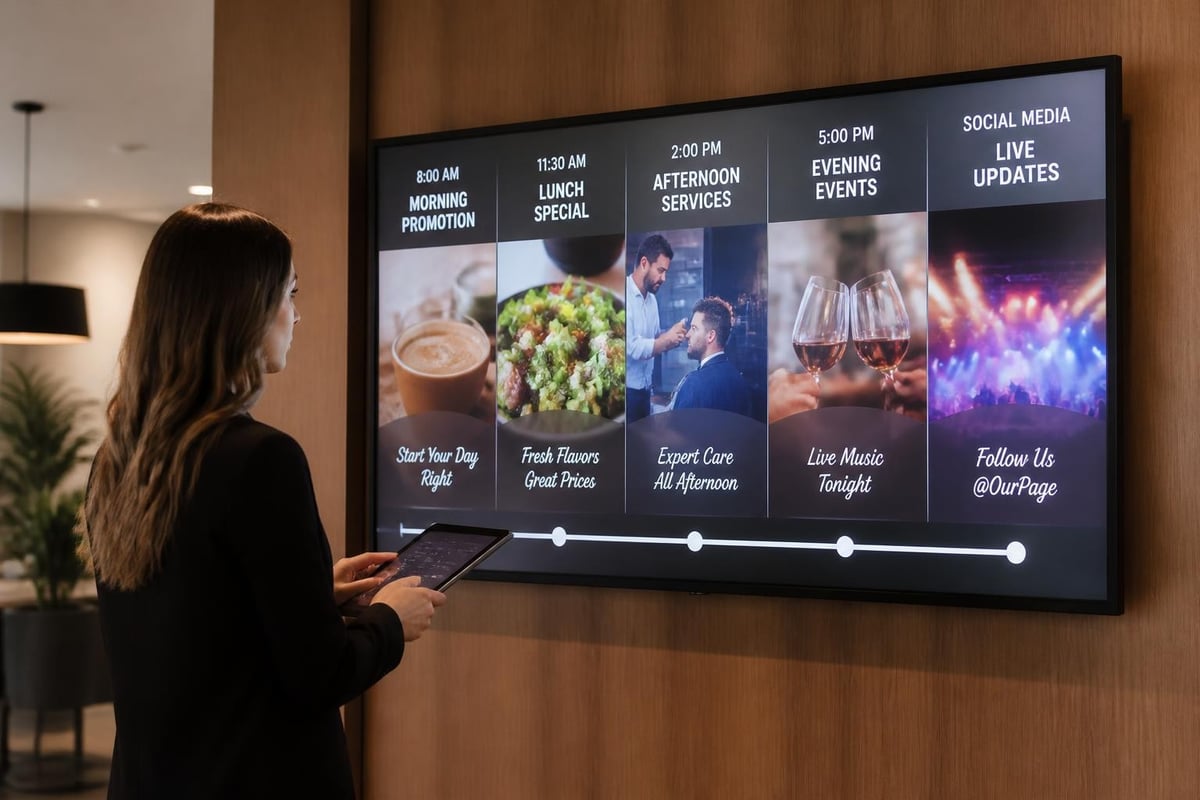
Integration with business intelligence systems creates responsive signage that adapts messaging based on inventory levels, customer traffic patterns, or weather conditions. Restaurants display breakfast menus during morning hours, whilst retailers highlight raingear during wet weather. This contextual relevance increases engagement and conversion rates compared to static alternatives.
Safety research from the Sign Research Foundation confirms that properly designed digital displays maintain legibility and visibility without creating traffic hazards, addressing common concerns about distraction and visual clutter when implemented according to industry standards.
Design Principles for Effective Business Signage
Visibility and Readability
Effective business signage communicates messages quickly and clearly. Typography selection balances aesthetic preferences with legibility requirements, considering viewing distances, lighting conditions, and audience characteristics. Sans-serif typefaces generally provide superior readability at distance, whilst contrast ratios between text and backgrounds ensure visibility across varying light conditions.
Colour psychology influences emotional responses and brand associations. Strategic colour selection reinforces brand identity whilst considering cultural associations and competitive differentiation. High-contrast combinations maximize visibility, particularly important for wayfinding and safety-related signage.
Sizing calculations account for viewing distances and environmental contexts. The general formula suggests one inch of letter height per ten feet of viewing distance, though specific applications may require adjustments based on lighting, complexity, and surrounding visual competition.
Brand Consistency Across Touchpoints
Business signage serves as physical manifestation of brand identity. Consistent application of logos, colour palettes, typography, and messaging creates cohesive brand experiences that strengthen recognition and build trust. Design guidelines ensure that signage aligns with other marketing materials, digital presence, and customer communications.
Material selection communicates brand values through tactile and visual qualities. Premium materials signal quality and attention to detail, whilst sustainable options demonstrate environmental commitment. Neon signs evoke nostalgia and energy, particularly effective for hospitality and entertainment venues seeking distinctive character.
Accessibility and Compliance
Accessible business signage ensures inclusive experiences for all customers, regardless of physical abilities. The U.S. Access Board provides technical guidance on accessible sign design, addressing tactile characters, Braille, contrast requirements, and mounting heights. Whilst these standards originate from American regulations, they represent best practices applicable globally.
The 2010 ADA Standards establish specific requirements for signs in public accommodations and commercial facilities. Permanent room identification signs require tactile characters and Braille, whilst directional and informational signs must meet contrast and character height specifications. Understanding these requirements during planning stages prevents costly retrofits and ensures legal compliance.
The Sign Design Society offers practical guidance on inclusive wayfinding and universal design principles. Pictograms supplement text to communicate across language barriers, whilst logical information hierarchies help users quickly locate relevant details.
Strategic Planning and Implementation
Conducting Signage Audits
Systematic assessment of existing business signage identifies gaps, inconsistencies, and optimization opportunities. Signage audits evaluate:
- Coverage completeness - Do signs address all customer information needs?
- Condition and maintenance - Are signs clean, functional, and damage-free?
- Brand alignment - Do designs reflect current brand standards?
- Accessibility compliance - Do signs meet legal and inclusive design requirements?
- Performance measurement - Are signs achieving intended objectives?
Documentation through photography and location mapping creates baseline records that inform strategic planning and prioritization. Customer journey mapping reveals critical decision points where signage influences behaviour, identifying high-impact intervention opportunities.
Permitting and Regulatory Considerations
Business signage installation requires navigation of local regulations, building codes, and zoning ordinances. The U.S. Small Business Administration provides guidance on business permits and licensing requirements, emphasizing the importance of early consultation with local authorities before finalizing designs or ordering materials.
Municipalities regulate signage through ordinances addressing size limitations, placement restrictions, illumination standards, and aesthetic guidelines. Historical districts often impose additional requirements protecting architectural character. Early engagement with planning departments prevents costly redesigns and installation delays.
Landlord approvals represent another critical consideration for tenanted premises. Lease agreements typically specify signage rights, approval processes, and installation requirements. Professional coordination between sign manufacturers, property managers, and building owners ensures smooth implementation whilst protecting all parties' interests.
Emerging Trends Shaping Business Signage
Sustainability and Eco-Conscious Materials
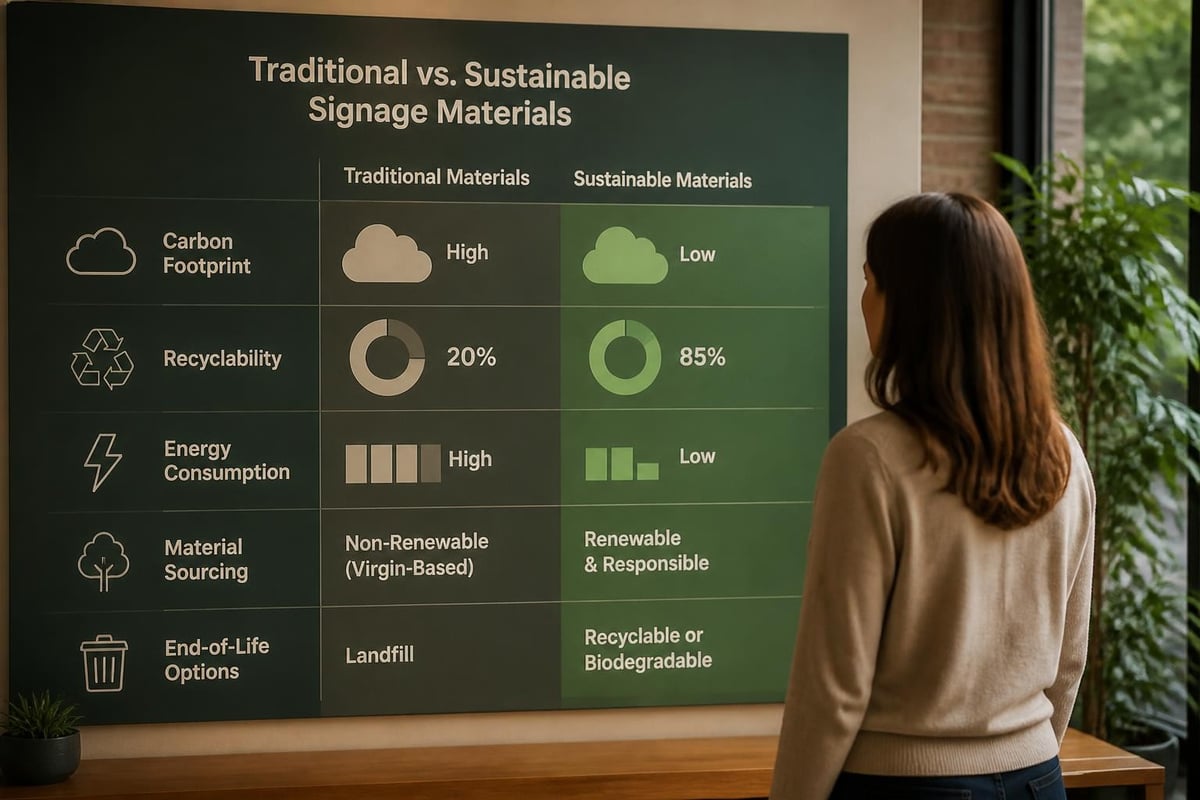
Environmental considerations increasingly influence business signage decisions. Sustainable materials, energy-efficient illumination, and circular design principles reduce environmental impact whilst demonstrating corporate responsibility. GreenBiz explores how measurement and data support circular economy transitions, relevant for businesses tracking signage lifecycle impacts.
LED illumination delivers superior energy efficiency compared to traditional lighting technologies, reducing operational costs whilst extending service life. Solar-powered options eliminate electrical infrastructure requirements for remote installations, particularly valuable for temporary events or locations without convenient power access.
Recycled aluminium, reclaimed wood, and biodegradable substrates provide environmentally responsible alternatives to virgin materials. End-of-life planning considers disassembly, material recovery, and responsible disposal, moving beyond linear "take-make-dispose" models toward regenerative approaches.
Technology Integration and Smart Signage
Connected signage systems integrate with broader business operations and customer engagement platforms. QR codes bridge physical and digital experiences, enabling customers to access detailed product information, promotional offers, or booking systems through smartphone interactions. Near-field communication (NFC) tags provide similar functionality with tap-based simplicity.
Artificial intelligence applications enable responsive signage that adapts content based on audience analytics, environmental conditions, or business data. AI 4 Small Business helps businesses identify practical AI implementation opportunities, including intelligent signage systems that optimize messaging based on customer behaviour patterns and operational metrics.
Sensor integration creates interactive experiences that respond to proximity, gesture, or voice commands. Retail environments use occupancy detection to adjust promotional messaging based on customer density, whilst wayfinding systems provide spoken directions for visually impaired visitors.
Modular and Flexible Systems
Business environments evolve rapidly, creating demand for adaptable signage solutions that accommodate changing needs without complete replacement. Modular systems use standardized components and interchangeable elements, enabling cost-effective updates as brands, products, or messaging change.
Hanging banners exemplify flexible promotional signage that transforms spaces for events, seasonal campaigns, or product launches without permanent modifications. Quick installation and removal supports dynamic retail environments whilst minimizing labour costs and operational disruption.
Magnetic mounting systems, rail-based holders, and clip frames facilitate regular content updates without specialized tools or technical expertise. This accessibility empowers staff to maintain current messaging whilst reducing dependency on external service providers for routine changes.
Measuring Signage Performance and ROI
Establishing Success Metrics
Effective measurement connects business signage investments to concrete business outcomes. Relevant metrics vary by signage type and business objectives but commonly include:
- Foot traffic changes following signage installation or updates
- Brand awareness lift in local market research
- Customer acquisition costs compared to other marketing channels
- Navigation efficiency measured through reduced wayfinding questions
- Sales conversion rates for promoted products or services
Point-of-sale systems, customer surveys, and traffic counting technologies provide quantitative data supporting performance assessment. Comparing pre- and post-installation metrics isolates signage impact from broader market trends and seasonal variations.
Customer feedback reveals qualitative insights about signage effectiveness. Simple questions during checkout or through digital surveys identify confusion points, appreciation for helpful signage, and suggestions for improvement. This direct input guides refinement and optimization efforts.
Maintenance and Longevity Planning
Business signage represents long-term investments requiring proactive maintenance to protect appearance and functionality. Regular cleaning schedules prevent dirt accumulation that diminishes visibility and degrades materials. Illuminated signage requires periodic lamp replacement, electrical inspections, and weatherproofing verification.
Documented maintenance protocols specify cleaning methods, inspection frequencies, and replacement criteria. Preventive approaches extend signage lifespan whilst maintaining professional appearance that reflects positively on brand image. Deferred maintenance creates compounding problems that eventually necessitate costly emergency interventions or premature replacement.
Service agreements with professional signage providers ensure consistent maintenance whilst transferring technical responsibility to specialists. Scheduled inspections identify emerging issues before they escalate, protecting investments through early intervention.
Specialized Applications and Industry Considerations
Retail and Hospitality Environments
Retail business signage balances promotional objectives with navigational clarity. Department delineation, product categorization, and promotional highlighting guide customer journeys whilst encouraging exploration and discovery. Seasonal flexibility enables rapid transformation supporting holiday campaigns, clearance events, and new collection launches.
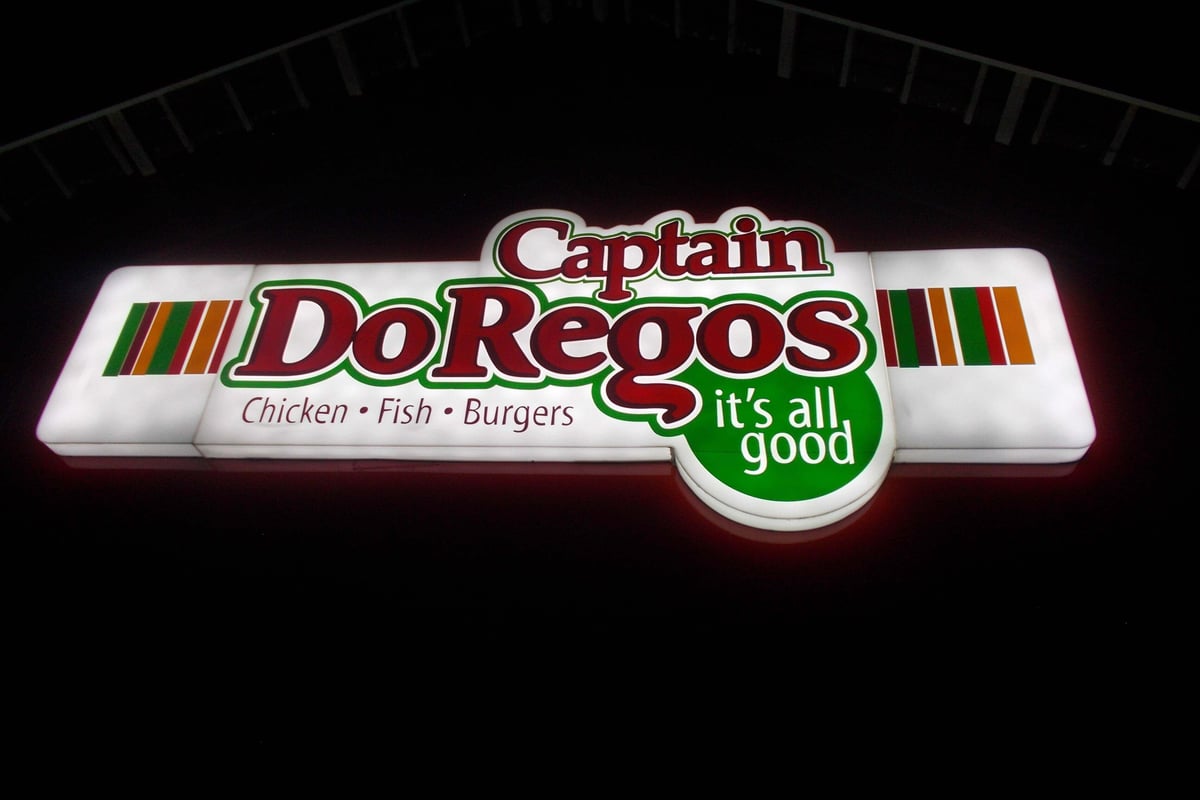
Hospitality venues use signage to establish ambiance whilst providing essential wayfinding. Lightbox signage creates luminous focal points that attract attention in competitive entertainment districts, whilst interior applications highlight amenities, event spaces, and safety information.
Menu boards represent critical business signage in food service contexts, influencing purchasing decisions and operational efficiency. Clear hierarchy, appetizing photography, and strategic pricing presentation optimize revenue per customer whilst managing kitchen workflow through suggested items and profit margin emphasis.
For businesses looking to create cohesive brand experiences through illuminated displays, Lightbox Signage offers versatile solutions combining visual impact with practical durability. These illuminated systems prove particularly effective in retail and hospitality applications where consistent visibility across varied lighting conditions enhances customer engagement and brand recognition.
Professional Services and Corporate Spaces
Professional service providers rely on business signage to establish credibility and communicate expertise. Understated elegance typically outperforms bold promotional approaches, with material quality and design sophistication signalling attention to detail and professional standards. Door signs identify individual offices and meeting spaces whilst maintaining cohesive design language throughout facilities.
Corporate wayfinding systems manage complex multi-floor facilities housing diverse departments and functions. Logical numbering schemes, consistent terminology, and clear directional cues reduce confusion for visitors, new employees, and delivery personnel. Integration with digital directories and mobile applications creates seamless navigation experiences bridging physical and digital information.
Event and Temporary Applications
Temporary business signage supports events, promotions, and seasonal operations without permanent installation commitments. Gazebos branded with company logos create recognizable presence at outdoor events, trade shows, and community activities. Quick setup and takedown facilitate participation in multiple events whilst maintaining professional presentation.
Telescopic banners adjust to varying ceiling heights and spatial constraints, providing installation flexibility across diverse venues. This adaptability proves valuable for businesses participating in conferences, exhibitions, and pop-up retail opportunities where environmental conditions vary significantly.
Manufacturing and Industrial Settings
Industrial business signage prioritizes safety communication, operational efficiency, and regulatory compliance. High-visibility safety signs prevent accidents through clear hazard communication, whilst workflow optimization signage reduces errors and improves productivity. Durable materials withstand demanding environments including temperature extremes, chemical exposure, and physical impact.
Lean manufacturing principles inform signage strategies that support visual management, 5S organization, and continuous improvement initiatives. Shadow boards, location labels, and process documentation create self-managing work environments that reduce training time whilst maintaining quality standards.
Future-Proofing Your Signage Strategy
Building Adaptable Infrastructure
Long-term business signage planning anticipates future needs whilst addressing current requirements. Electrical infrastructure installed during initial implementation enables later addition of illuminated elements or digital displays without disruptive renovations. Mounting systems designed for component replacement facilitate updates as brands evolve or messaging priorities shift.
Custom software development services create tailored content management solutions for businesses with complex digital signage networks. Bespoke platforms integrate with existing business systems, enabling automated content updates based on inventory, scheduling, or customer data whilst maintaining brand consistency across locations.
Scalable approaches start with essential signage elements whilst planning expansion paths. Phased implementation manages initial investment whilst establishing design standards that guide future additions. This strategic approach prevents piecemeal development that creates visual inconsistency and operational inefficiency.
Regulatory Adaptation and Compliance Monitoring
Signage regulations evolve as accessibility awareness increases, environmental standards strengthen, and technology capabilities expand. For businesses operating across international markets, emerging requirements like the EU's Digital Product Passport programme introduce new documentation and transparency obligations. DPPLogic helps organizations prepare for digital product passport requirements, ensuring signage materials and manufacturing processes align with evolving sustainability and traceability standards.
Regular compliance reviews verify alignment with current regulations whilst identifying emerging requirements that may affect future signage decisions. Professional associations, industry publications, and regulatory agency communications provide early visibility into pending changes, enabling proactive adaptation rather than reactive scrambling.
Strategic business signage investment delivers measurable returns through enhanced visibility, improved customer experiences, and strengthened brand identity. The principles outlined here provide framework for planning, implementing, and optimizing signage that serves your business objectives whilst adapting to evolving customer expectations and market conditions. Whether you're developing comprehensive signage systems or refreshing individual elements, Signshoponline offers the expertise, product range, and custom capabilities to bring your vision to life with professional quality that enhances your brand for years to come.


