


Sign companies play a pivotal role in shaping how businesses communicate with their customers, from eye-catching storefront displays to comprehensive wayfinding systems. As we navigate through 2026, the signage industry continues to evolve with advanced technologies, sustainability initiatives, and increasingly sophisticated customer expectations. Whether you're launching a new retail location, rebranding an established enterprise, or simply need directional signage for a facility, understanding what modern sign companies offer and how they operate will help you make informed decisions that maximize your investment and enhance your brand presence.
The Modern Landscape of Sign Companies
Today's sign companies have transformed from simple fabrication shops into full-service visual communication partners. The industry encompasses everything from traditional vinyl graphics and dimensional lettering to cutting-edge digital displays and interactive wayfinding solutions.
Core Services Offered
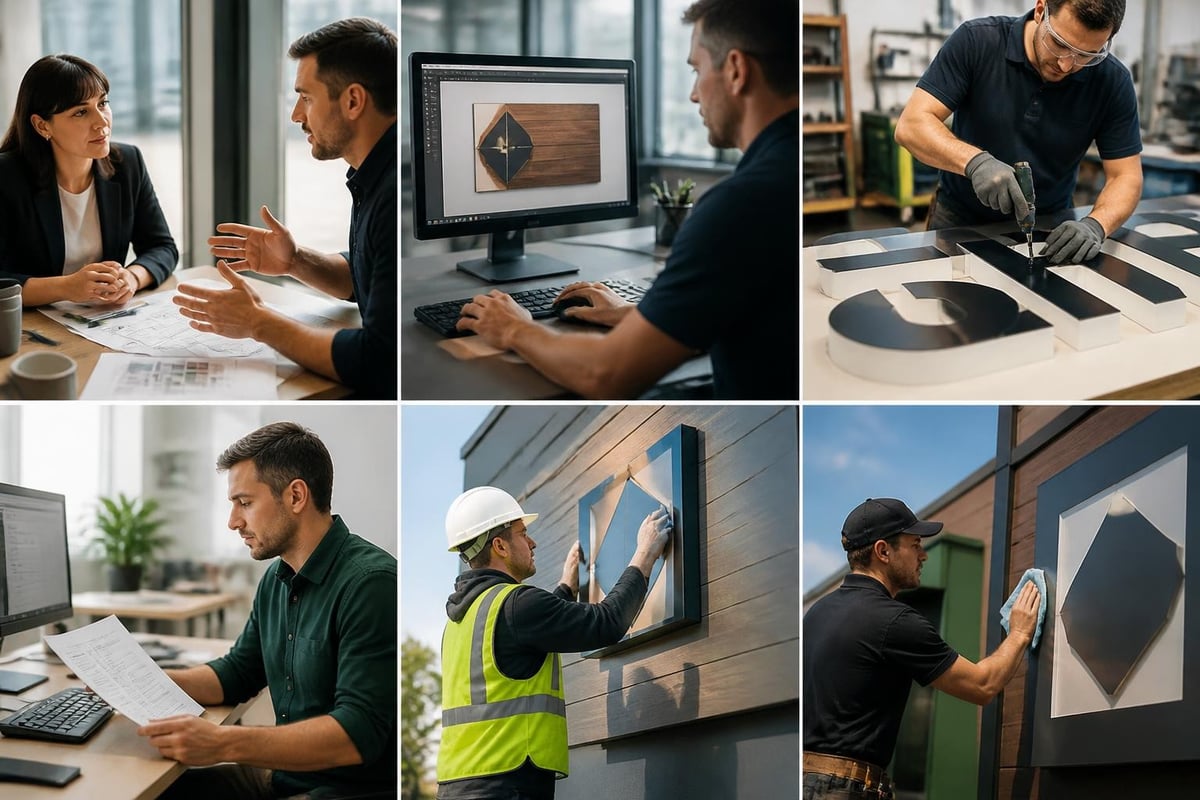
Professional sign companies typically provide a comprehensive suite of services designed to meet diverse client needs:
- Design and consultation – translating brand identity into effective signage
- Manufacturing and fabrication – creating signs using various materials and techniques
- Permitting and compliance – navigating local regulations and building codes
- Installation and project management – ensuring proper mounting and placement
- Maintenance and repair – extending the lifespan of signage investments
The 2025 State of the Sign Industry report highlights that companies offering integrated services experience higher customer retention and project profitability compared to those focusing solely on production.
Specialization Areas Within the Industry
Not all sign companies operate identically. Many develop expertise in specific market segments:
Retail and commercial signage specialists focus on storefronts, point-of-purchase displays, and promotional materials. These companies understand consumer psychology and traffic patterns, creating signs that drive foot traffic and sales.
Architectural and wayfinding experts design comprehensive navigation systems for hospitals, universities, airports, and mixed-use developments. Their work requires knowledge of ADA compliance, universal design principles, and environmental graphic design.
Digital signage providers concentrate on LED displays, interactive kiosks, and menu boards. This segment has grown substantially, with businesses increasingly adopting LED screen technology for dynamic content delivery.
Vehicle graphics and fleet branding companies transform cars, vans, trucks, and trailers into mobile advertisements, requiring specialized materials and installation techniques suited to curved surfaces and vehicle contours.
Selecting the Right Sign Company for Your Needs
Choosing among sign companies requires careful evaluation of several critical factors that directly impact project outcomes and long-term satisfaction.
Evaluating Technical Capabilities
The technical proficiency of sign companies varies considerably based on equipment, expertise, and experience. When assessing potential partners, examine their manufacturing capabilities:
| Capability | Why It Matters | Questions to Ask |
|---|---|---|
| Material diversity | Different applications require specific substrates | What materials do you regularly work with? |
| Fabrication methods | Affects quality, durability, and aesthetics | Do you handle CNC routing, laser cutting, welding? |
| Illumination expertise | Critical for visibility and energy efficiency | What lighting technologies do you offer? |
| Digital production | Ensures vibrant, accurate graphics | What printing equipment and resolution do you use? |
The U.S. Department of Energy's solid-state lighting resources provide valuable guidance on LED technology that forward-thinking sign companies incorporate into their illuminated products.
Portfolio and Industry Experience
Review completed projects that align with your requirements. Request case studies showing similar scope, scale, and complexity. Experienced sign companies maintain extensive portfolios demonstrating their range and problem-solving abilities.
Pay particular attention to projects in your industry. A company with healthcare signage experience understands ADA compliance requirements for accessible signage, including raised characters, Braille, and proper mounting heights that may not be top-of-mind for companies focused primarily on retail.
Regulatory Compliance and Industry Standards
Professional sign companies navigate complex regulatory environments that impact every project from conception to installation.
Navigating Permits and Building Codes
Municipal sign codes govern size, placement, illumination, and aesthetic characteristics. Experienced sign companies handle the permitting process, which typically involves:
- Code research – identifying applicable regulations for your location and sign type
- Design compliance – ensuring plans meet setback, height, and area restrictions
- Application submission – preparing and filing permit documentation
- Inspections – coordinating required reviews and approvals
- Final approval – obtaining certificates of compliance
Companies working on traffic and highway signage must also comply with the Manual on Uniform Traffic Control Devices, which establishes federal standards for road-related signs.

ADA and Accessibility Requirements
The Americans with Disabilities Act establishes specific requirements for signs in public accommodations and commercial facilities. Sign companies must ensure:
- Tactile characters with raised letters or numbers between 5/8" and 2" high
- Grade 2 Braille positioned below corresponding text
- Contrast ratios of at least 70% between characters and background
- Mounting heights between 48" and 60" from the floor to baseline
- Finish with non-glare surfaces to improve readability
The ADA regulations maintained by the Department of Justice provide comprehensive guidance that professional sign companies incorporate into their design processes, particularly for directional signs and interior wayfinding systems.
Technology Integration in Modern Sign Companies
The signage industry has embraced technological advancement across design, production, and installation processes, fundamentally changing how sign companies operate.
Digital Design and Visualization Tools
Contemporary sign companies employ sophisticated software for:
- 3D rendering that shows clients exactly how signs will appear in context
- Augmented reality allowing virtual sign placement using smartphone cameras
- Cloud-based collaboration enabling real-time feedback and approval
- Automated quoting systems that provide instant pricing based on specifications
These tools reduce miscommunication, accelerate approval cycles, and help clients make confident decisions before production begins.
Advanced Manufacturing Technologies
Modern fabrication equipment has expanded what sign companies can produce:
CNC routers cut intricate shapes and dimensional letters with precision impossible through manual methods. Laser cutters create delicate details in metal, acrylic, and wood. Wide-format printers produce photo-quality graphics on virtually any substrate.
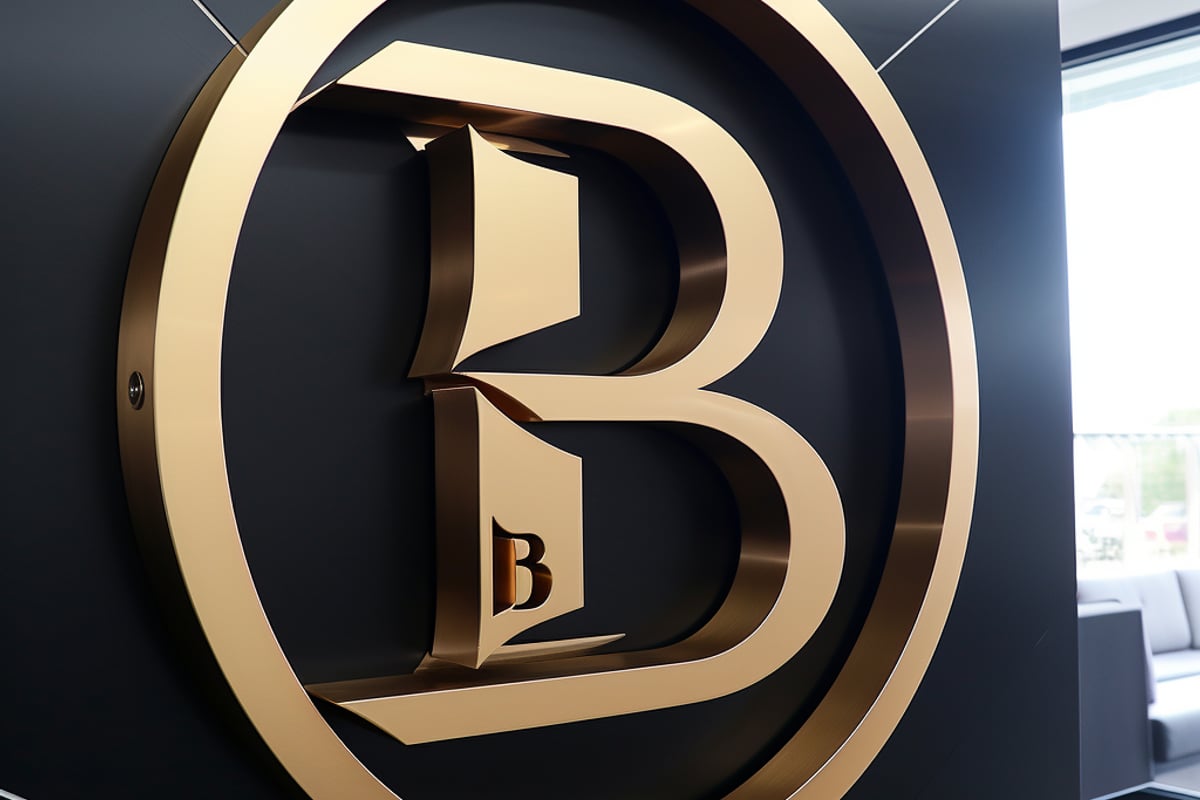
For businesses seeking premium exterior signage, fabricated 3D signage manufactured through these advanced techniques offers exceptional depth, presence, and brand impact. Whether illuminated or non-illuminated, channel letters create the dimensional quality that commands attention and communicates professionalism.
Digital cutting systems handle everything from precision vinyl graphics to complex foam modeling. Welding and metal fabrication capabilities allow sign companies to construct structural elements, frames, and custom mounting systems.
Project Management and Client Communication
Successful sign companies distinguish themselves through exceptional project management that keeps timelines on track and clients informed throughout the process.
Typical Project Timeline
Understanding the workflow helps set realistic expectations:
| Phase | Duration | Key Activities |
|---|---|---|
| Consultation | 1-2 weeks | Needs assessment, site survey, initial concepts |
| Design | 1-3 weeks | Concept development, revisions, final approval |
| Permitting | 2-8 weeks | Application submission, review, approval |
| Production | 1-4 weeks | Manufacturing, quality control, finishing |
| Installation | 1-3 days | Site preparation, mounting, final adjustments |
Complex projects involving pylon signs or comprehensive wayfinding systems may extend these timelines, particularly if structural engineering, foundation work, or electrical service upgrades are required.
Communication Best Practices
Leading sign companies maintain transparency through:
- Dedicated project managers serving as single points of contact
- Regular status updates at key milestones and decision points
- Detailed production schedules showing each phase and dependencies
- Proactive problem-solving when challenges arise
- Post-installation follow-up ensuring complete satisfaction
Industry Economics and Business Considerations
The financial health of sign companies directly impacts their ability to invest in equipment, talent, and customer service that differentiate exceptional providers from mediocre ones.
Wage Trends and Workforce Development
According to the 2025 ISA Wage & Benefits Report, the sign industry shows steady wage growth and continued hiring momentum. This positive trend enables quality sign companies to attract and retain skilled fabricators, designers, and installers.
The industry faces ongoing challenges in workforce development, with many companies investing in apprenticeship programs and technical training. The International Sign Association's progress initiatives highlight education and workforce development as key priorities for strengthening the industry's future.
Pricing Models and Value Considerations
Sign companies typically employ several pricing approaches:
Square footage pricing works well for straightforward channel letters, cabinet signs, and flat graphics where material and labor costs scale predictably with size. Project-based pricing better suits complex installations involving site-specific challenges, structural modifications, or extensive permitting.
Value-based pricing reflects the business impact of signage rather than just production costs. A well-designed sign that generates customer traffic and brand recognition delivers ROI far exceeding its installation cost.
When comparing quotes, consider:
- Material quality and longevity – cheaper materials may require replacement sooner
- Warranty coverage – what's included and for how long
- Installation expertise – proper mounting prevents future problems
- Service and support – availability for repairs and updates
Specialized Product Categories
Sign companies often develop particular expertise in specific product lines that serve distinct market needs.
Interior vs. Exterior Applications
Interior signage encompasses lobby signs, wayfinding, room identification, safety notices, and decorative graphics. These projects prioritize aesthetics, ADA compliance, and integration with architectural finishes. Materials commonly include acrylic, metal, wood, and printed vinyl applied to walls, doors, and architectural surfaces.
Exterior signage must withstand weather, UV exposure, temperature fluctuations, and potential vandalism. Durability drives material selection toward powder-coated aluminum, stainless steel, high-performance plastics, and specially formulated inks and coatings. Retail signs designed for outdoor use require particular attention to wind loads, water infiltration, and long-term color stability.
Temporary and Promotional Solutions
Not all signage needs are permanent. Many sign companies excel at temporary solutions for:
- Trade shows and events requiring portable displays like X-banners and telescopic banners
- Grand openings and sales using eye-catching promotional graphics
- Construction sites needing temporary wayfinding and safety notices
- Seasonal campaigns with messages updated quarterly or monthly
The flexibility to support both permanent installations and short-term promotional needs makes full-service sign companies valuable long-term partners.
Digital Signage and Dynamic Content
The fastest-growing segment within sign companies involves electronic displays that deliver changeable messages and multimedia content.
LED and Digital Display Solutions
Outdoor LED displays have revolutionized how businesses communicate, enabling real-time pricing updates, promotional messages, and attention-grabbing animation. Sign companies specializing in digital solutions manage not just hardware installation but also content management systems, network connectivity, and software training.
Indoor digital signage transforms customer experiences in restaurants, retail stores, corporate lobbies, and healthcare facilities. Menu boards in quick-service restaurants exemplify this technology's practical application, allowing instant updates, daypart scheduling, and promotional flexibility impossible with static graphics.
Content Creation and Management
Beyond hardware, successful digital signage requires:
- Content design that balances information, branding, and visual appeal
- Scheduling software automating message rotation and timing
- Remote management enabling updates across multiple locations
- Analytics measuring viewer engagement and message effectiveness
Forward-thinking sign companies partner with content creation specialists or develop in-house capabilities, recognizing that hardware represents only part of the digital signage solution.
Sustainability and Environmental Considerations
Environmental responsibility has become a significant differentiator among sign companies as businesses prioritize sustainable practices.
Energy-Efficient Illumination
LED technology has transformed illuminated signage economics. Compared to fluorescent and neon alternatives, LED systems:
- Consume 50-80% less energy, reducing operating costs
- Last 50,000-100,000 hours, minimizing maintenance
- Produce less heat, improving summer comfort and HVAC costs
- Offer better color consistency and brightness control
- Contain no mercury or hazardous gases
Progressive sign companies exclusively recommend LED for new installations and retrofit existing signs during maintenance cycles.
Sustainable Materials and Practices
Environmental stewardship extends beyond energy consumption:
Recycled materials appear in aluminum extrusions, plastic substrates, and backing boards. Low-VOC inks and coatings reduce harmful emissions during production and installation. Waste reduction through optimized nesting software minimizes material scrap.
Many sign companies participate in industry recycling programs, properly disposing of old signs and repurposing usable components rather than sending everything to landfills.
Industry Resources and Continuing Education
Professional sign companies invest in ongoing education to stay current with evolving technologies, regulations, and best practices.
Trade Associations and Research
The International Sign Association provides advocacy, education, and networking opportunities for sign companies and industry suppliers. Their annual conferences, webinars, and certification programs help professionals develop expertise and stay informed about regulatory changes.
The Sign Research Foundation conducts studies on wayfinding effectiveness, code impacts, and market trends, providing evidence-based insights that help sign companies make informed recommendations to clients.
Historical and Technical Resources
The American Sign Museum's library preserves historical, technical, and craft knowledge spanning traditional methods like hand-lettering and neon bending to contemporary digital fabrication. This repository helps modern sign companies appreciate their craft's heritage while innovating for the future.
Vehicle Graphics and Mobile Advertising
Many sign companies maintain dedicated departments for vehicle branding, recognizing the unique technical challenges and marketing opportunities this segment presents.
Fleet Branding Strategies
Full wraps cover entire vehicles in branded graphics, transforming them into mobile billboards. Partial wraps balance cost and impact, focusing on high-visibility panels. Spot graphics provide budget-friendly branding through strategically placed logos and contact information.
For businesses seeking cost-effective advertising, vehicle one-way vision materials allow full-coverage graphics on windows while maintaining driver visibility from inside.
Installation Expertise Requirements
Vehicle graphics demand specialized skills:
- Surface preparation removing wax, contaminants, and existing graphics
- Application techniques managing complex curves, recessed handles, and body lines
- Heat forming stretching vinyl around corners and three-dimensional surfaces
- Post-installation care educating clients on washing and maintenance
Quality sign companies employ certified installers trained specifically in vehicle graphics, understanding that improper application leads to premature failure and customer dissatisfaction.
Emerging Trends Shaping Sign Companies
The signage industry continues evolving, with several trends influencing how sign companies operate and what services they offer.
Integration with Smart Building Systems
Modern signage increasingly connects to building management systems, enabling:
- Occupancy-based messaging adjusting content based on traffic patterns
- Emergency communication integrating with fire alarm and security systems
- Wayfinding updates reflecting real-time room availability and event schedules
- Energy optimization dimming or shutting off displays during unoccupied periods
Sign companies developing expertise in network integration and IoT connectivity position themselves for growth as smart buildings become standard.
Personalization and Interactive Elements
Touchscreen directories replace static building directories, offering search functionality, multilingual support, and directions. QR codes bridge physical signage and digital content, enabling detailed product information, video demonstrations, or mobile ordering.
Beacon technology embedded in signage triggers smartphone notifications when customers approach, delivering personalized offers and navigation assistance.
Starting or Expanding a Sign Business
For entrepreneurs considering entering the industry or existing sign companies planning expansion, understanding current market dynamics and resource requirements is essential.
Capital Requirements and Equipment Investment
Launching a competitive sign company requires substantial investment:
- Design workstations with professional software licenses
- Wide-format printer ($15,000-$150,000 depending on capabilities)
- Laminator for print protection and finishing
- Cutting equipment (vinyl cutter, CNC router, or laser cutter)
- Vehicle and installation equipment
- Initial material inventory
The Small Business Administration's launch resources provide guidance on financing, business planning, and regulatory requirements for aspiring sign company owners.
Competitive Differentiation Strategies
Successful sign companies distinguish themselves through:
Niche specialization in specific markets like healthcare, education, or hospitality where deep industry knowledge adds value. Exceptional service with responsive communication, reliable timelines, and problem-solving focus.
Technology leadership adopting new capabilities before competitors, offering clients innovative solutions. Strategic partnerships with architects, contractors, and property developers generating consistent referral business.
Geographic focus dominating specific territories through local relationships and reputation rather than competing nationally on price alone.
Understanding how sign companies operate, what services they provide, and how to evaluate potential partners empowers businesses to make signage investments that deliver lasting value and measurable results. From regulatory compliance and technical capabilities to emerging digital solutions and sustainable practices, the right signage partner brings expertise that extends far beyond simple fabrication. Whether you need parking and traffic signs, comprehensive wayfinding systems, or dynamic digital displays, Signshoponline combines technical excellence with customer-focused service to transform your signage vision into reality.


