


Company signs represent one of the most valuable yet often underestimated assets in a business's marketing arsenal. These physical brand ambassadors work tirelessly, twenty-four hours a day, communicating your identity, guiding customers, and establishing credibility in your marketplace. From the modest door plaque identifying your reception area to the illuminated monument sign anchoring your facility to the street, each element plays a strategic role in shaping perception and driving commercial success. Understanding how to leverage company signs effectively transforms them from mere identification tools into powerful brand-building instruments that deliver measurable returns on investment.
Strategic Functions of Company Signs in Modern Business
Company signs serve multiple overlapping purposes that extend far beyond simple identification. Brand identity projection stands as perhaps the most visible function, with signs acting as three-dimensional expressions of your corporate personality. Typography, colour palette, material selection, and illumination strategy all contribute to the visual language that customers associate with your enterprise.
Wayfinding and Customer Experience
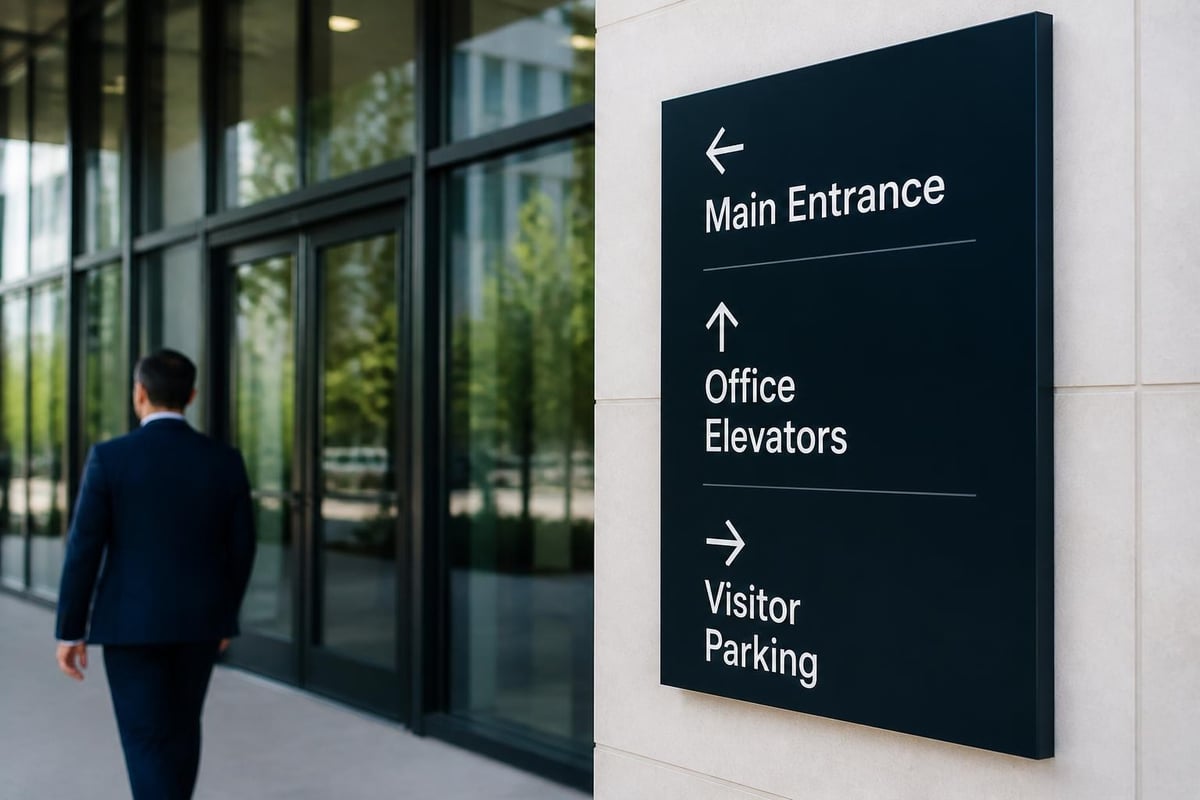
Effective directional signage reduces friction in the customer journey. Research published in healthcare wayfinding studies demonstrates that clear, strategically placed signs reduce anxiety, improve satisfaction, and decrease time spent searching for destinations. These principles apply equally across retail, corporate, and industrial environments.
Key wayfinding benefits include:
- Reduced customer frustration and staff interruptions
- Improved first-time visitor confidence
- Enhanced perception of professionalism
- Faster customer throughput in high-traffic environments
- Better accessibility for diverse user groups
The scoping review on wayfinding for people with sensory impairment highlights how thoughtful sign design accommodates broader audiences, including those with visual or cognitive differences. Tactile elements, high-contrast colour schemes, and pictographic supplements make spaces more inclusive whilst simultaneously improving navigation for all users.
Design Principles That Maximise Sign Effectiveness
Typography selection fundamentally impacts readability and brand perception. Sans-serif typefaces typically offer superior legibility at distance, whilst serif fonts can convey tradition and authority in closer viewing contexts. Stroke weight, character spacing, and x-height all influence how quickly viewers decode your message.
| Design Element | Impact on Effectiveness | Recommended Approach |
|---|---|---|
| Contrast ratio | Determines visibility distance | Minimum 70% between text and background |
| Letter height | Controls legibility range | 25mm per 3 metres viewing distance |
| Illumination | Extends operating hours | LED systems for energy efficiency |
| Material finish | Affects glare and readability | Matte or semi-gloss for most applications |
The Manual on Uniform Traffic Control Devices provides technical standards for sign legibility that, whilst developed for traffic applications, offer valuable insights into optimal letter sizing, retroreflectivity, and maintenance intervals applicable to commercial signage.
Colour Psychology and Brand Consistency
Colour choices carry psychological weight that influences customer perception. Blue conveys trust and stability, making it prevalent in financial and healthcare sectors. Red creates urgency and captures attention, explaining its dominance in retail and hospitality. Green suggests environmental responsibility and growth.
Consistency across all company signs reinforces brand recognition. Your monument sign, building fascia, directional markers, and door signs should share a cohesive colour palette and design language that strengthens visual identity with each exposure.
Material Selection and Durability Considerations
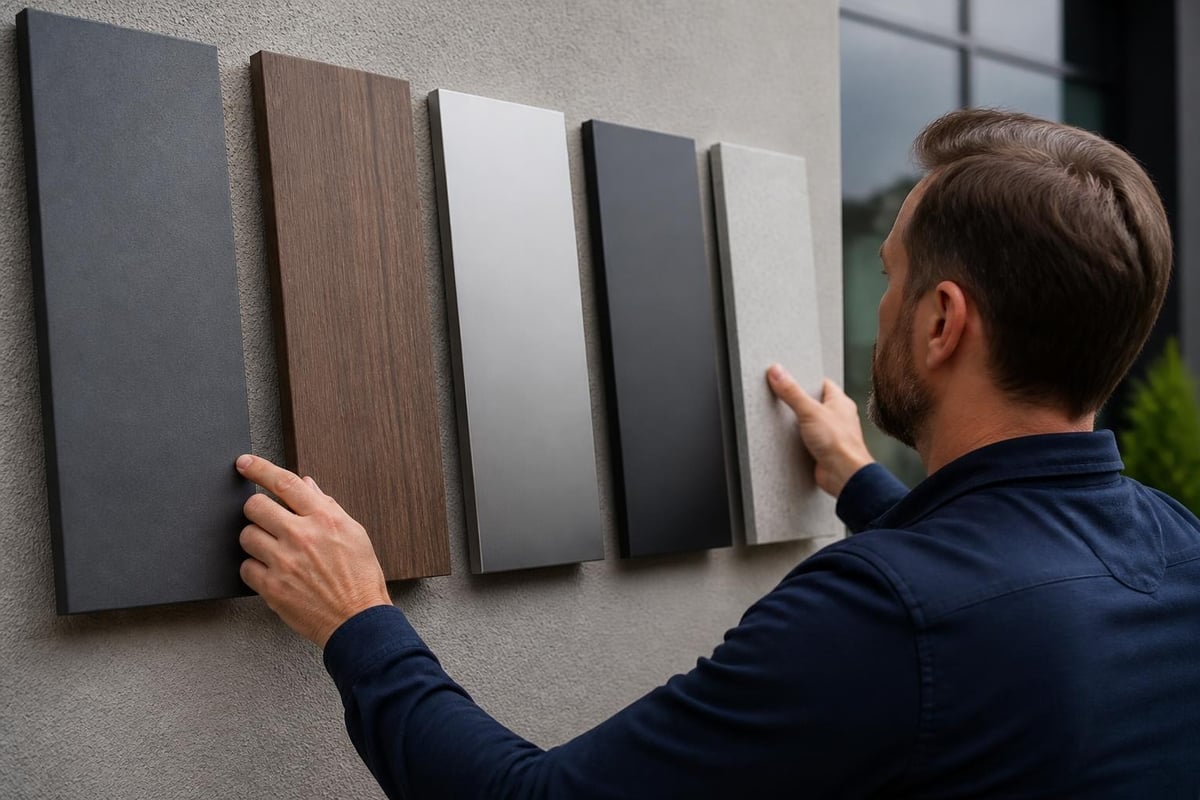
Substrate choice directly impacts longevity, maintenance requirements, and total cost of ownership. Aluminium offers excellent weather resistance and allows for complex fabrication, making it ideal for dimensional lettering and panel signs. Acrylic provides optical clarity for illuminated applications, particularly when back-lit or edge-lit effects are desired.
High-density urethane foam enables intricate three-dimensional forms at lower weight than metal alternatives. This material excels in fabricated 3D signage applications where architectural detail or sculptural brand elements require durability without excessive structural support.
- Aluminium: Corrosion-resistant, dimensionally stable, recyclable
- Acrylic: Excellent light transmission, UV-resistant, lightweight
- HDU Foam: Precision routing capability, weather-resistant coating
- Stainless Steel: Premium appearance, extreme durability, higher investment
- Dibond: Rigid composite, flat applications, economical
Coastal environments demand materials and finishes that withstand salt air corrosion. Industrial settings may require impact-resistant substrates or protective coatings. The ITE maintenance guide discusses material degradation patterns and preventive maintenance schedules that extend sign service life.
Regulatory Compliance and Accessibility Standards
Company signs must navigate a complex regulatory landscape encompassing local planning restrictions, building codes, and accessibility legislation. The ADA technical guidance establishes comprehensive requirements for accessible signage, including tactile character height, finish, contrast, and mounting position specifications.
Planning Permission and Zoning Restrictions
Most jurisdictions regulate sign size, placement, illumination, and movement to maintain visual character and public safety. Monument signs typically face height restrictions, setback requirements, and illumination time limits. Building-mounted company signs may require structural approval and heritage considerations in conservation areas.
Critical compliance checkpoints:
- Verify permitted sign area based on property frontage
- Confirm height restrictions for freestanding signs
- Review illumination regulations (intensity, hours, colour)
- Check setback distances from property boundaries
- Assess requirements for heritage or conservation zones
Working with experienced sign professionals who understand local regulations prevents costly errors and project delays. Many municipalities provide pre-application consultations that clarify requirements before significant design investment.
Illumination Technologies and Energy Efficiency
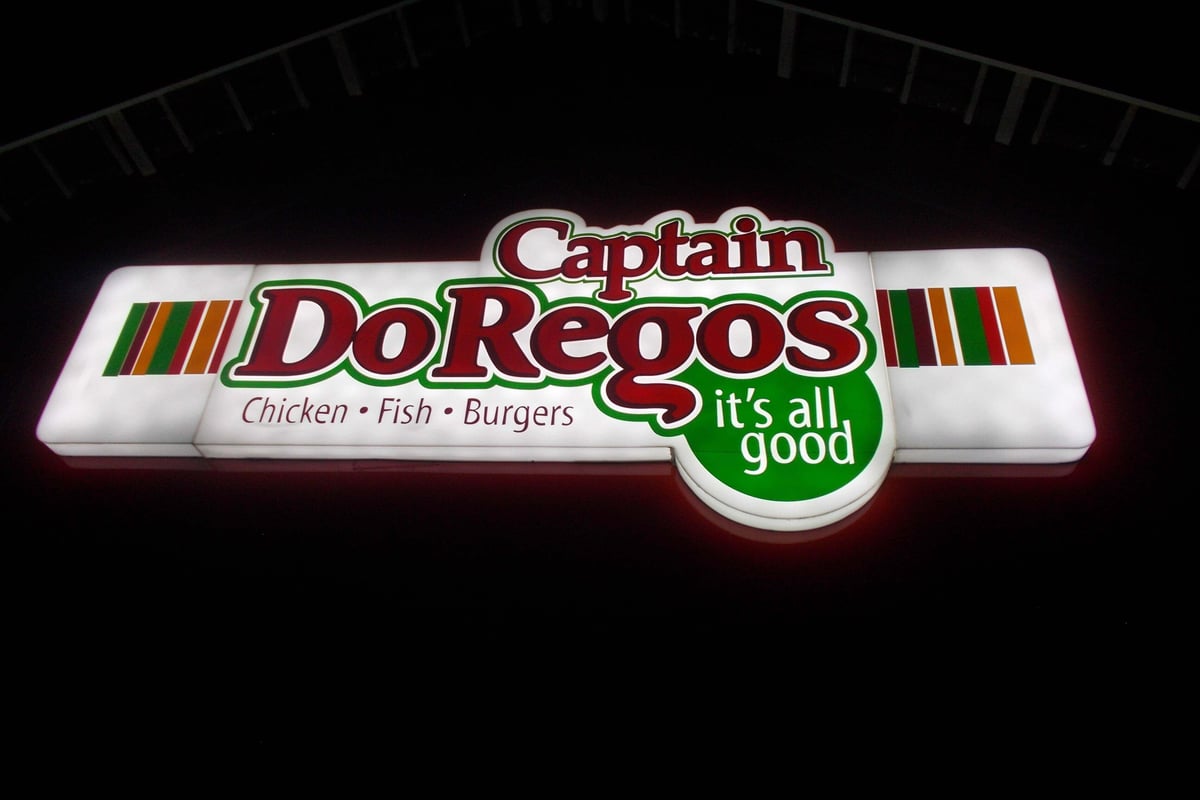
Illuminated company signs extend brand visibility beyond daylight hours, maximising exposure and improving safety. LED technology has revolutionised sign illumination, offering superior energy efficiency, extended service life, and enhanced colour consistency compared to traditional fluorescent or neon systems.
| Illumination Method | Energy Efficiency | Lifespan | Colour Options | Maintenance |
|---|---|---|---|---|
| LED modules | Excellent | 50,000+ hours | Full spectrum | Minimal |
| Neon tubing | Moderate | 10,000 hours | Custom colours | Moderate |
| Fluorescent | Good | 15,000 hours | Limited | Regular |
| Metal halide | Poor | 8,000 hours | Limited | Frequent |
Front-lit signs use external fixtures to illuminate face graphics, offering straightforward installation and maintenance access. Back-lit solutions position light sources behind translucent faces, creating halo effects or evenly illuminated panels. Edge-lit designs introduce light into acrylic edges, producing elegant illumination with minimal depth.
Smart controls add scheduling capabilities, dimming functions, and remote monitoring to reduce energy consumption and enable responsive adjustments. Photocells automatically adjust brightness based on ambient light, whilst astronomical timers account for seasonal daylight variations.
For businesses seeking distinctive visual impact whilst maintaining energy efficiency, lightbox signage offers compelling solutions that combine even illumination with customisable graphics and architectural flexibility.
Measuring Return on Investment for Company Signs
Quantifying sign performance establishes accountability and informs future investment decisions. Customer acquisition cost provides one useful metric-signs that generate enquiries or foot traffic can be evaluated against digital marketing expenditure on a per-customer basis.
Tracking Methods and Performance Indicators
New customer surveys reveal how prospects discovered your business. A simple "How did you hear about us?" question consistently identifies signage as a significant awareness driver. Tracking code usage, promotional references, or dedicated contact numbers linked to sign campaigns provides quantifiable data.
Performance metrics to monitor:
- New customer percentage attributing discovery to signage
- Foot traffic changes following sign installation or upgrade
- Enquiry volume correlation with sign visibility periods
- Brand recognition lift in local market surveys
- Directory assistance reduction (customers finding location independently)
The AIA best practices guidance discusses integrating signage into broader architectural and branding programmes, emphasising coordinated planning that maximises cumulative impact across all customer touchpoints.
Location Strategy and Visibility Optimisation
Sign effectiveness correlates directly with viewing exposure. Primary viewing angles, traffic speeds, sight line obstructions, and competitive visual clutter all influence whether your company signs achieve their communication objectives. Desktop analysis using mapping tools identifies optimal positioning before installation.
Visibility factors to evaluate:
- Approach speed: Faster traffic requires larger letters and simpler messages
- Viewing angle: Perpendicular placement maximises legibility
- Background contrast: Busy backgrounds reduce message clarity
- Lighting conditions: Assess morning, afternoon, and night visibility
- Vegetation growth: Plan for seasonal foliage changes
Monument signs at property entrances benefit from setbacks that allow adequate viewing distance whilst maintaining zoning compliance. Building fascia signs should align with natural sight lines from primary approach routes. Reception signs positioned opposite entrance doors ensure immediate visitor orientation.
Maintenance Programmes That Protect Your Investment
Regular maintenance preserves appearance, ensures safety, and extends service life. Illuminated company signs require lamp replacement, electrical inspection, and lens cleaning on scheduled intervals. Non-illuminated signs benefit from surface cleaning, fastener inspection, and finish touch-up.
| Maintenance Task | Frequency | Purpose |
|---|---|---|
| Surface cleaning | Quarterly | Maintain visibility and appearance |
| Lamp inspection | Monthly | Ensure consistent illumination |
| Electrical testing | Annually | Verify safety and performance |
| Fastener check | Bi-annually | Prevent structural failure |
| Finish assessment | Annually | Identify refinishing needs |
Documented maintenance schedules demonstrate due diligence for liability purposes and preserve warranty coverage. Many sign suppliers offer maintenance contracts that bundle routine service, emergency repairs, and priority response into predictable monthly investments.
Integration With Broader Marketing Ecosystems
Company signs function most effectively when coordinated with digital presence, print collateral, and promotional materials. Visual consistency across platforms reinforces brand recognition and builds trust through professional presentation. Your sign typography, colour palette, and graphic elements should align with website design, business cards, and vehicle branding.
Cross-platform coordination opportunities:
- Match monument sign colours to website header design
- Echo dimensional letter styling in logo applications
- Coordinate directional sign iconography with digital wayfinding
- Align promotional banner messaging with current campaigns
- Synchronise seasonal decorative elements across all channels
Teardrop banners and other portable promotional displays extend your brand presence beyond fixed locations, creating visual continuity at events, trade shows, and temporary promotions whilst maintaining design cohesion with permanent company signs.
Adaptive Signage for Growth and Change
Business evolution demands flexible signage solutions. Modular panel systems accommodate tenant changes, departmental reorganisation, or service expansion without complete replacement. Digital message centres enable real-time content updates, promotional messaging, and responsive communication during disruptions or emergencies.
Flexibility features to consider:
- Interchangeable graphic panels for seasonal updates
- Modular directory systems for multi-tenant facilities
- Digital displays for variable messaging needs
- Magnetic or hook-and-loop mounting for temporary promotions
- Expandable frameworks accommodating future growth
The National Park Service signage standards illustrate programme management approaches that balance consistency with adaptability-principles equally applicable to corporate campuses, retail chains, or industrial complexes managing distributed sign portfolios.
Specialised Applications Across Industries
Different sectors face unique signage requirements shaped by operational needs, regulatory frameworks, and customer expectations. Healthcare facilities prioritise wayfinding clarity and accessibility compliance. Retail environments emphasise promotional flexibility and brand theatricality. Industrial sites focus on safety communication and operational efficiency.
Manufacturing and warehouse operations require industrial signs that withstand harsh conditions whilst communicating safety protocols, operational zones, and traffic patterns. Durability, visibility in varied lighting, and resistance to chemical exposure or impact damage take precedence over aesthetic refinement.
Retail environments leverage company signs as selling tools, creating atmospheric brand experiences that influence purchasing behaviour. Neon signs introduce nostalgic or contemporary energy, depending on design approach. Retail signs guide customers through merchandising zones whilst reinforcing promotional themes and seasonal campaigns.
Environmental Sustainability in Sign Manufacturing
Sustainable practices reduce environmental impact whilst often delivering operational cost savings. LED illumination dramatically cuts energy consumption compared to legacy technologies. Recyclable aluminium substrates, low-VOC coatings, and responsible disposal programmes minimise ecological footprint.
Sustainability initiatives to evaluate:
- Solar-powered illumination for remote locations
- Recycled content substrates and recycled programme
- Low-emission manufacturing processes
- Energy-efficient LED systems with smart controls
- Refurbishment options extending existing sign life
Forward-thinking businesses increasingly consider signage sustainability as part of broader environmental, social, and governance (ESG) commitments. Communicating these choices through appropriate messaging on company signs themselves reinforces values alignment with environmentally conscious customers.
Technology Integration and Digital Convergence
Digital signage platforms merge traditional sign functions with dynamic content capability, enabling responsive messaging that adapts to time, weather, inventory, or promotional calendars. Integration with business systems allows automated updates triggered by operational events, reducing manual intervention whilst improving message relevance.
QR codes and NFC tags embedded in physical company signs bridge offline and online experiences, directing smartphone users to location-specific content, promotional offers, or wayfinding applications. This convergence creates measurable engagement data whilst enhancing customer convenience.
Digital enhancement opportunities:
- Dynamic pricing and promotional messaging
- Real-time service availability updates
- Interactive wayfinding with mobile integration
- Social media content aggregation displays
- Emergency alert and public information systems
The strategic deployment of company signs-whether traditional, illuminated, or digitally enhanced-requires balancing immediate identification needs with long-term brand building, regulatory compliance with creative expression, and upfront investment with lifecycle cost management. Businesses that approach signage as strategic assets rather than necessary expenses unlock competitive advantages through enhanced visibility, improved customer experience, and strengthened brand equity.
Successful company signs combine strategic planning, quality craftsmanship, and ongoing maintenance into visible assets that work continuously to build your brand and guide your customers. Whether you're establishing a new location, refreshing an existing identity, or expanding your visual presence, Signshoponline delivers comprehensive signage solutions tailored to your specific requirements-from custom monument signs and illuminated fascias to promotional banners and vehicle branding that extend your reach across every customer touchpoint.


