


Outdoor signage remains one of the most powerful marketing tools available to businesses in 2026, serving as a constant beacon that attracts customers, communicates brand identity, and establishes physical presence in competitive markets. Whether you're launching a new retail location, promoting an event, or reinforcing corporate identity, understanding the strategic deployment of signage outdoor solutions can transform passive passersby into engaged customers. This comprehensive guide explores the essential elements of outdoor signage, from material selection to regulatory compliance, helping businesses maximise their return on investment whilst creating lasting impressions in their communities.
Understanding the Strategic Value of Outdoor Signage
Outdoor signage represents far more than simple directional aids or identification markers. These installations function as 24-hour advertising platforms that work continuously to build brand recognition and drive foot traffic. Studies consistently demonstrate that effective signage outdoor displays can increase business awareness by up to 75% within local markets, making them indispensable for establishments ranging from independent boutiques to multinational corporations.
The economic impact of quality outdoor signage extends beyond immediate customer acquisition. Property values, tenant retention, and competitive positioning all benefit from strategic signage investments. Businesses that neglect their exterior visual communications often struggle to compete with rivals who understand the psychological impact of professional, well-maintained outdoor displays.
The Psychology Behind Effective Outdoor Signs
Consumer behaviour research reveals that potential customers form initial impressions within three seconds of encountering a business. Signage outdoor installations must capitalise on this narrow window by delivering clear, compelling messages that resonate with target audiences. Colour psychology, typography hierarchy, and spatial design all contribute to whether a sign captures attention or blends into visual noise.
Professional outdoor signage leverages contrast, scale, and strategic placement to overcome environmental challenges such as competing visual elements, varying light conditions, and viewing distances. The most successful implementations balance aesthetic appeal with functional clarity, ensuring messages remain legible from multiple angles and distances whilst reinforcing brand identity.
Material Selection for Durability and Impact
Choosing appropriate materials for signage outdoor applications requires careful consideration of environmental factors, maintenance requirements, and longevity expectations. South African climates present unique challenges, with intense UV exposure, temperature fluctuations, and seasonal weather patterns all impacting material performance over time.
| Material Type | Durability (Years) | Weather Resistance | Maintenance Level | Best Applications |
|---|---|---|---|---|
| Aluminium Composite | 10-15 | Excellent | Low | Building facades, monuments |
| Acrylic | 7-10 | Very Good | Medium | Illuminated displays, retail |
| Vinyl Graphics | 5-7 | Good | High | Temporary promotions, vehicle lettering |
| Powder-Coated Steel | 15-20 | Excellent | Low | Industrial, permanent installations |
| High-Density Foam | 5-8 | Moderate | Medium | Dimensional letters, shaped signs |
Aluminium composite panels have emerged as the industry standard for premium outdoor applications, offering exceptional strength-to-weight ratios and resistance to corrosion. These materials accept various finishing techniques, from digital printing to vinyl application, providing versatility across different design requirements.
Weather-Resistant Finishing Techniques
Surface treatments and protective coatings dramatically extend the lifespan of signage outdoor installations. UV-resistant laminates prevent colour fading, whilst anti-graffiti coatings facilitate easy cleaning and maintenance. Premium installations often incorporate multiple protective layers, each serving specific functions from moisture barriers to impact resistance.
Modern finishing technologies include:
- Ceramic-infused coatings for enhanced UV protection
- Hydrophobic treatments that repel water and reduce cleaning frequency
- Anti-microbial additives for healthcare and food service environments
- Scratch-resistant topcoats for high-traffic locations
The investment in quality finishing often determines whether outdoor signage maintains professional appearance for five years or fifteen, making it a critical consideration during initial planning phases.
Illumination Strategies for Maximum Visibility
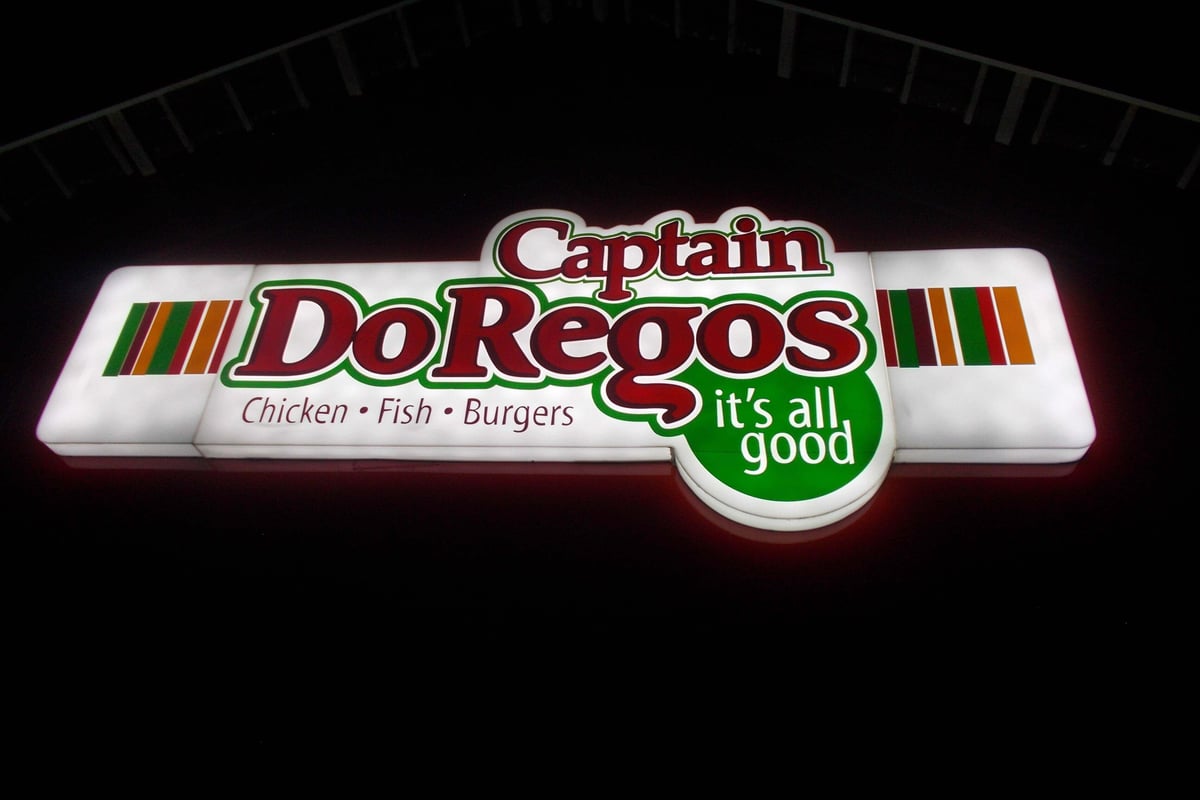
Lighting transforms signage outdoor effectiveness, extending operational hours and ensuring visibility during evening and early morning periods when many purchasing decisions occur. The evolution of LED technology has revolutionised illuminated signage, offering energy efficiency, colour consistency, and reduced maintenance compared to traditional lighting methods.
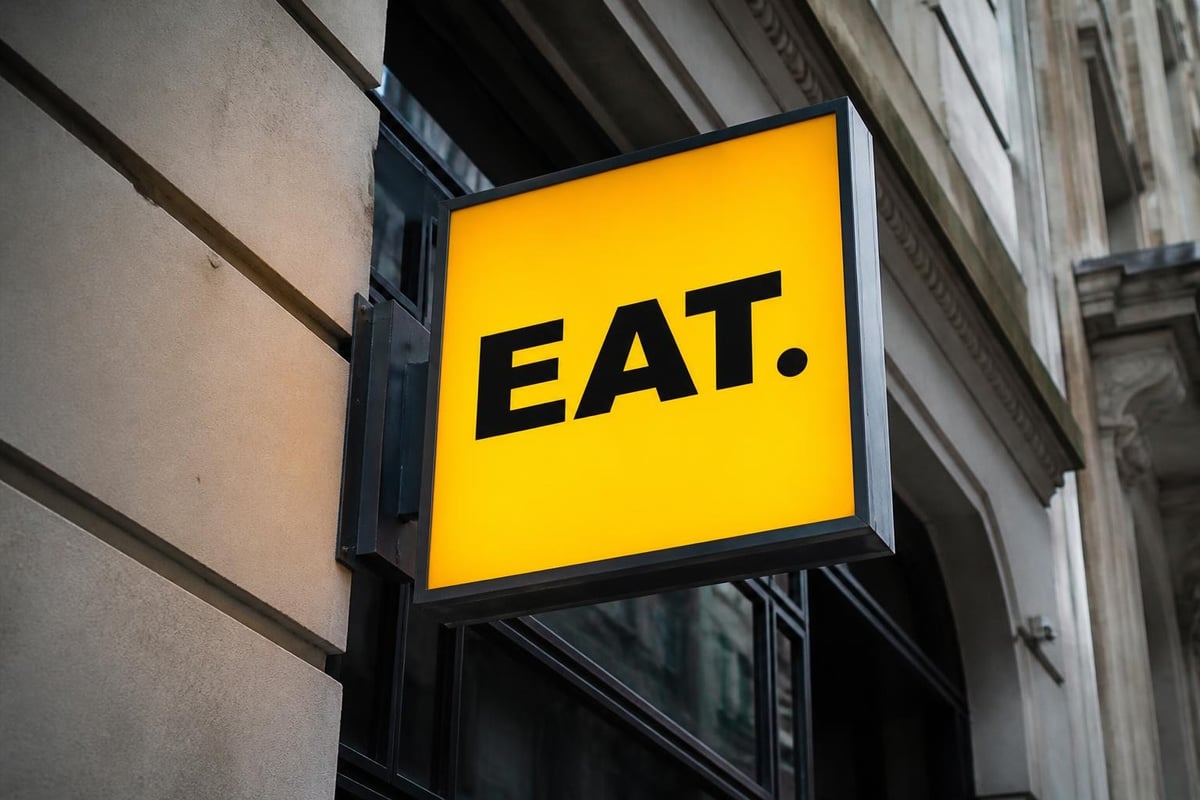
Strategic illumination approaches include external spotlighting, internal backlighting, and halo-lit channel letters. Each technique creates distinct visual effects whilst addressing specific architectural and environmental considerations. Lightbox signage solutions provide uniform illumination across large display areas, making them particularly effective for retail applications where consistent brand presentation matters.
External lighting fixtures require careful positioning to minimise glare whilst maximising sign surface coverage. Adjustable fixtures allow seasonal modifications as sun angles change, maintaining optimal visibility throughout the year. LED technology enables programmable lighting schemes that adapt to ambient conditions, reducing energy consumption during bright daylight hours whilst increasing intensity during darker periods.
Energy Efficiency and Operational Costs
The operational expenses associated with illuminated signage outdoor installations have decreased dramatically with LED adoption. Modern LED systems consume 75-80% less electricity than equivalent fluorescent or incandescent installations whilst delivering superior brightness and colour rendering. The extended lifespan of LED components reduces maintenance visits and replacement costs, often offsetting higher initial investment within 18-24 months.
Solar-powered options have gained traction for remote locations or sustainability-focused businesses. Battery storage systems enable continuous operation during non-daylight hours, whilst intelligent charging circuits maximise energy capture from available sunlight. These systems work particularly well for parking and traffic signs where grid connection proves impractical or expensive.
Regulatory Compliance and Permitting
Navigating municipal regulations represents a critical phase in any signage outdoor project. Local authorities maintain specific requirements regarding size limitations, placement restrictions, illumination standards, and structural engineering specifications. Non-compliance can result in enforcement actions ranging from modification orders to complete removal, wasting significant investment.
Zoning classifications dictate permissible signage types, with commercial, industrial, and residential areas each maintaining distinct regulations. Heritage zones often impose additional restrictions on materials, colours, and mounting methods to preserve architectural character. Understanding these parameters before design commencement prevents costly redesigns and approval delays.
Professional Installation and Safety Standards
Structural integrity becomes paramount when installing signage outdoor fixtures, particularly larger installations or those positioned in high-traffic areas. Professional installation ensures compliance with engineering standards whilst addressing site-specific challenges such as wind loading, foundation requirements, and electrical integration.
Key installation considerations include:
- Structural calculations verified by qualified engineers
- Foundation depth appropriate to sign size and wind exposure
- Electrical certification for illuminated installations
- Safety clearances from pedestrian and vehicle traffic
- Accessibility compliance ensuring signage doesn't create obstacles
Quality installation extends beyond initial mounting. Proper techniques account for thermal expansion, vibration dampening, and moisture management, preventing premature failure and maintaining appearance over time. Many businesses partner with experienced signage providers who manage the entire process from design through installation and maintenance.

Digital Integration and Smart Signage Solutions
The convergence of traditional signage outdoor applications with digital technology has created unprecedented opportunities for dynamic messaging and real-time content updates. Digital displays allow businesses to modify promotional messages throughout the day, targeting different demographic groups during peak traffic periods or responding to weather conditions and special events.
LED screen technology has matured to withstand outdoor environments whilst delivering brilliant colour reproduction visible even in direct sunlight. These systems integrate with content management platforms, enabling remote updates across multiple locations and centralised campaign management. The flexibility appeals particularly to businesses with frequent promotional changes or those operating in rapidly evolving markets.
Hybrid Approaches for Versatility
Many successful outdoor signage strategies combine static and digital elements, balancing the permanence of traditional branding with the flexibility of changeable messaging. Monument signs might incorporate digital panels for temporary announcements whilst maintaining consistent brand presence through permanent dimensional lettering.
This hybrid approach offers several advantages:
- Cost efficiency through selective digital integration
- Visual stability with permanent brand elements
- Message flexibility for time-sensitive promotions
- Reduced maintenance compared to fully digital installations
The strategic deployment of LED signs within broader signage programmes demonstrates how businesses can modernise their exterior communications without abandoning proven traditional elements.
Maintenance Programmes for Long-Term Performance
Establishing comprehensive maintenance schedules protects signage outdoor investments whilst ensuring consistent professional appearance. Environmental contaminants, weather exposure, and normal wear gradually degrade even premium installations without proper care. Regular cleaning, component inspection, and preventive repairs extend operational life by years whilst maintaining visual impact.
| Maintenance Task | Frequency | Impact if Neglected | Typical Cost |
|---|---|---|---|
| Surface cleaning | Quarterly | Reduced visibility, professional appearance | Low |
| Illumination check | Monthly | Customer accessibility, safety compliance | Low |
| Structural inspection | Annually | Safety hazards, catastrophic failure | Medium |
| Finish restoration | 3-5 years | Accelerated deterioration, brand image | High |
| Component replacement | As needed | System failure, emergency repairs | Variable |
Preventive maintenance proves far more cost-effective than reactive repairs. Simple tasks like removing debris from drainage channels, tightening mounting hardware, and replacing failed lamps prevent minor issues from escalating into major failures requiring emergency intervention.
Seasonal Considerations
South African seasonal variations demand adjusted maintenance approaches throughout the year. Summer UV exposure accelerates material degradation, whilst winter moisture can penetrate protective coatings compromised by thermal cycling. Storm preparation before severe weather seasons protects against damage from high winds and heavy rain.
Professional maintenance contracts often prove worthwhile for businesses operating multiple locations or those with complex illuminated installations. These agreements ensure consistent service delivery whilst providing predictable budgeting and priority response during emergencies.
Design Principles for Maximum Impact
Creating effective signage outdoor installations requires balancing artistic expression with functional communication. The most successful designs prioritise legibility over decoration, ensuring core messages remain clear even when viewed briefly or from challenging angles. Typography selection, colour schemes, and spatial hierarchy all contribute to whether signage achieves its communication objectives.
Contrast ratios between text and background significantly impact readability, with research indicating minimum 70% contrast necessary for comfortable viewing at distance. Font selection must account for viewing conditions, with clean sans-serif typefaces generally outperforming decorative alternatives for primary messaging. Secondary information can incorporate more stylised typography provided it doesn't compromise essential communication.
Brand Consistency Across Installations
Multi-location businesses face unique challenges maintaining visual consistency across diverse architectural contexts and regional markets. Comprehensive brand guidelines address colour specifications, typography standards, and proportional relationships whilst allowing flexibility for site-specific adaptations. This balance ensures immediate brand recognition regardless of location whilst respecting local character and regulatory requirements.
Effective brand systems document:
- Pantone and RGB colour specifications
- Typography hierarchies and minimum sizes
- Logo placement and clear space requirements
- Material preferences and acceptable alternatives
- Installation standards and quality benchmarks
These frameworks enable consistent execution whether deploying retail signs across shopping centres or billboard signs along major highways.
Measuring Return on Investment
Quantifying signage outdoor effectiveness helps businesses make informed decisions about upgrades, expansions, and ongoing maintenance investments. Whilst direct attribution proves challenging, several methodologies provide valuable insights into signage performance and customer behaviour patterns.
Customer surveys asking how respondents discovered a business consistently reveal outdoor signage among top awareness drivers. Traffic pattern analysis comparing pedestrian and vehicle movements before and after installation demonstrates impact on physical visits. Point-of-sale data analysis identifying first-time customers during post-installation periods provides additional perspective on acquisition effectiveness.
Cost-Per-Impression Analysis
Comparing signage outdoor costs against traditional advertising expenditures reveals remarkable value propositions. A quality installation generating 50,000 impressions monthly over ten years delivers approximately six million total impressions. When divided by initial investment plus maintenance costs, the cost-per-impression often falls below traditional media by significant margins.
This economic advantage becomes particularly pronounced for established businesses where signage supports ongoing operations rather than temporary campaigns. The permanence and continuous operation of outdoor installations create compounding value impossible to replicate through periodic advertising bursts.

Emerging Trends Shaping the Industry
The signage outdoor sector continues evolving through technological advancement, sustainability initiatives, and changing consumer expectations. Understanding these trends helps businesses future-proof their investments whilst capitalising on competitive advantages through early adoption.
Sustainable materials and production methods respond to growing environmental consciousness among consumers and regulatory bodies. Recycled substrates, water-based inks, and energy-efficient illumination demonstrate corporate responsibility whilst often reducing long-term operational costs. Some forward-thinking businesses highlight sustainability credentials through signage design itself, creating additional marketing value.
Augmented reality integration represents an emerging frontier, enabling smartphone users to access additional content by scanning physical signage. This bridge between physical and digital worlds creates engagement opportunities beyond static messaging whilst maintaining the permanence and visibility of traditional outdoor installations.
Personalisation and Dynamic Content
Advanced digital signage outdoor systems increasingly incorporate sensors and artificial intelligence to deliver personalised messaging based on viewer demographics, time of day, or real-time conditions. Facial recognition technology (where privacy regulations permit) enables targeted content delivery, whilst weather sensors trigger contextually relevant promotions.
These capabilities transform signage from broadcast medium to interactive communication channel, though they require careful balancing of technological capability against privacy concerns and regulatory compliance. Businesses exploring these technologies must consider both opportunities and obligations carefully.
Integration with Broader Marketing Strategies
Maximum signage outdoor effectiveness occurs when installations align with comprehensive marketing strategies rather than functioning as isolated elements. Consistent messaging across digital platforms, print materials, and physical signage reinforces brand recognition whilst guiding customers through awareness, consideration, and purchase stages.
Social media campaigns can leverage distinctive outdoor signage as backdrop for user-generated content, extending reach beyond physical viewers. Teardrop banners and temporary promotional displays create visual interest for event marketing whilst reinforcing permanent installations during high-traffic periods.
Cross-channel consistency ensures customers encountering businesses through various touchpoints receive unified messages that build recognition and trust. Outdoor signage often serves as the anchor point around which other marketing materials orbit, providing physical presence that grounds digital and print communications in tangible reality.
Quality signage outdoor solutions represent strategic investments that deliver measurable returns through enhanced visibility, strengthened brand presence, and continuous customer engagement. By carefully considering material selection, regulatory compliance, maintenance requirements, and design principles, businesses create exterior communications that perform reliably for years whilst adapting to evolving market conditions. Signshoponline brings decades of expertise to outdoor signage projects, from initial consultation through design, manufacturing, installation, and ongoing support, ensuring your business captures attention and converts passersby into customers with professional, durable outdoor displays tailored to your specific requirements.


