


Wind spinners have evolved from simple garden ornaments into sophisticated kinetic displays that serve both aesthetic and functional purposes across residential and commercial landscapes. These captivating devices harness natural wind energy to create mesmerising rotational patterns, drawing the eye and adding dynamic visual interest to otherwise static outdoor environments. For businesses seeking to enhance their exterior presence, wind spinners offer a unique opportunity to combine movement, colour, and brand visibility in ways that traditional signage alone cannot achieve.
Understanding Wind Spinner Mechanics and Design
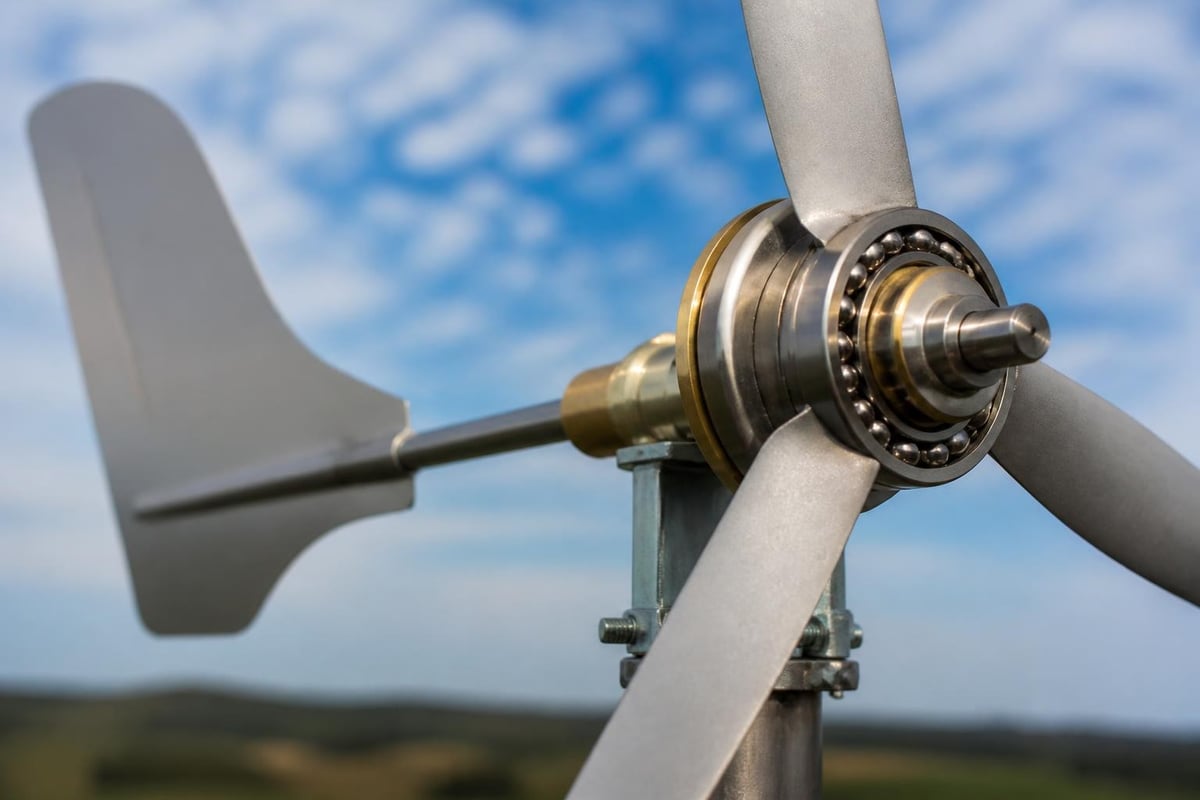
Wind spinners operate on fundamental aerodynamic principles that convert horizontal wind flow into rotational motion. The most effective designs feature carefully balanced blades or panels arranged around a central axis, allowing even gentle breezes to initiate movement whilst maintaining structural integrity during stronger winds.
Core Construction Elements
Modern wind spinners incorporate several essential components that determine their performance characteristics:
- Central bearing assembly that enables smooth, continuous rotation with minimal friction
- Blade configuration optimised for specific wind speed ranges and visual effects
- Mounting hardware designed to withstand environmental stresses whilst allowing free movement
- Weather-resistant materials including powder-coated metals, UV-stabilised plastics, and marine-grade stainless steel
The engineering behind high-quality wind spinners balances aesthetic appeal with practical durability. Manufacturers must consider factors such as wind load calculations, material fatigue resistance, and colour retention under prolonged sun exposure. These considerations become particularly important for commercial installations where consistent performance directly impacts brand perception.
| Design Feature | Residential Application | Commercial Application |
|---|---|---|
| Size range | 30cm – 120cm diameter | 60cm – 300cm diameter |
| Material priority | Visual appeal, moderate durability | Maximum durability, brand colours |
| Maintenance frequency | Annual inspection | Quarterly professional service |
| Average lifespan | 3-5 years | 5-10 years with proper care |
Material Selection and Longevity
The choice of materials significantly influences both the visual impact and operational lifespan of wind spinners. Stainless steel variants offer exceptional corrosion resistance, making them ideal for coastal environments or areas with high humidity. Powder-coated aluminium provides an excellent strength-to-weight ratio whilst allowing for vibrant colour applications that maintain their intensity over years of exposure.
Premium materials demonstrate superior performance:
- Marine-grade stainless steel resists rust even in salt-air environments
- Anodised aluminium creates a protective oxide layer that enhances colour depth
- UV-stabilised acrylics maintain transparency and brilliance without yellowing
- Composite materials combine lightweight properties with impact resistance
The Getty Conservation Institute's research on kinetic art provides valuable insights into material selection and preservation strategies for outdoor rotating sculptures, principles that apply equally to commercial wind spinners designed for extended outdoor display.
Commercial Applications for Wind Spinners
Businesses across various sectors have discovered the attention-grabbing potential of wind spinners as part of their exterior marketing strategy. Unlike static signage, these kinetic elements create what marketing professionals call "ambient animation" – continuous movement that catches peripheral vision and draws focus even from distracted passersby.
Retail and Hospitality Environments
Garden centres, outdoor furniture retailers, and hospitality venues particularly benefit from wind spinner installations. The constant motion creates focal points that guide customer flow and establish memorable visual landmarks. A strategically placed wind spinner can serve as a wayfinding element whilst simultaneously reinforcing brand identity through coordinated colours and design motifs.
Restaurants with outdoor seating areas often incorporate wind spinners to define space boundaries and add visual interest without obstructing sightlines. The gentle rotation creates a relaxing atmosphere that encourages extended patron stays, directly impacting revenue per table. Several upscale establishments have commissioned custom wind spinners featuring their logo or signature colours, transforming functional décor into branded experiences.
Corporate Campuses and Public Spaces
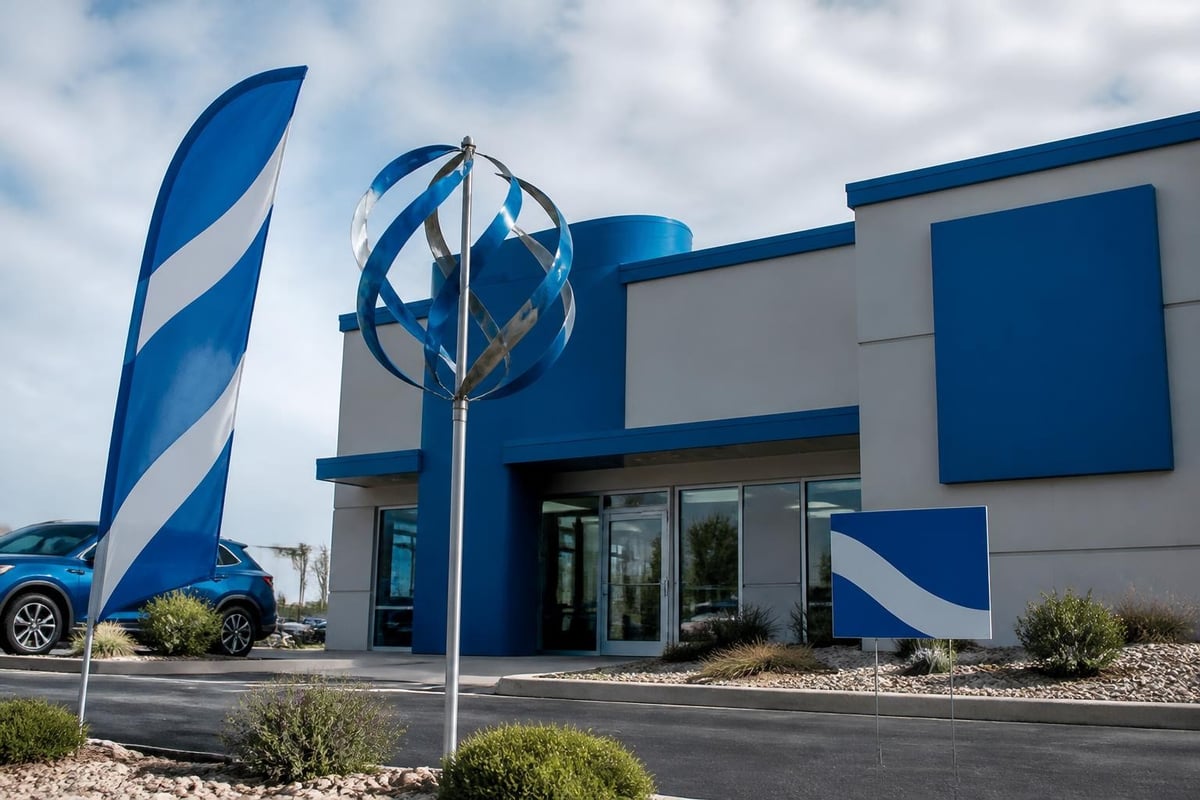
Large-scale wind spinners positioned near building entrances or in courtyard settings demonstrate corporate investment in aesthetic quality and environmental consciousness. These installations communicate values around sustainability and innovation without requiring electricity or generating noise pollution. The Smithsonian Institution's collection of wind-driven art illustrates the long cultural tradition of using wind-powered displays to mark significant locations and express community identity.
Modern corporate installations often integrate multiple wind spinners of varying sizes to create layered visual interest. This approach establishes visual hierarchy whilst ensuring the display remains engaging from multiple viewing angles and distances. Maintenance considerations become crucial in these high-visibility contexts, as poorly functioning elements reflect negatively on the organisation's attention to detail.
Types and Styles of Wind Spinners
The market for wind spinners has expanded dramatically, offering options ranging from traditional designs to contemporary artistic statements. Understanding the characteristics of different spinner types helps businesses select options that align with their brand positioning and environmental context.
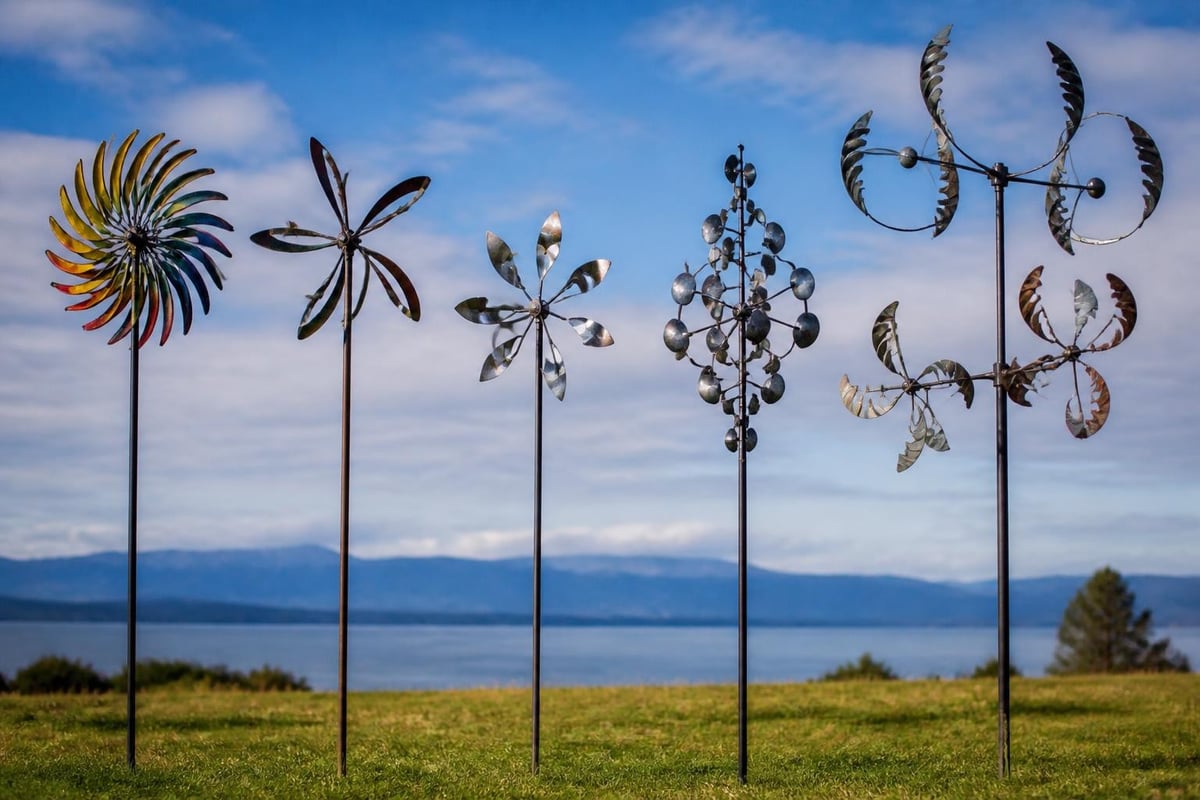
- Traditional helix spinners create a mesmerising spiral effect through offset blades
- Kinetic sculptures combine artistic form with functional rotation
- Multi-rotor designs feature independent spinning elements for complex motion patterns
- Reflective models incorporate mirrors or metallic finishes for light play
- Branded custom spinners integrate corporate colours and design elements
Size Considerations and Visual Impact
Selecting the appropriate spinner size requires careful analysis of viewing distances and surrounding visual elements. A spinner that appears impressively large in a showroom may seem undersized when installed against a multi-storey building façade. Professional installers recommend that the spinner diameter should be approximately one-tenth the height of the primary building surface for balanced visual proportion.
Scale planning guidelines:
- Small spinners (30-60cm): Suitable for residential gardens, small shopfronts
- Medium spinners (60-150cm): Effective for restaurant patios, retail forecourts
- Large spinners (150-300cm): Corporate installations, large public spaces
- Extra-large custom (300cm+): Landmark installations, destination developments
The same principles that guide effective placement for banner flags apply to wind spinner installation – visibility from key approach angles, adequate clearance from obstructions, and consideration of how the element interacts with existing signage and architectural features.
Installation Best Practices
Proper installation determines whether a wind spinner delivers years of reliable performance or becomes a maintenance liability. The process requires more than simply mounting the device on a pole; it demands attention to structural engineering, local wind patterns, and accessibility for future servicing.
Site Assessment and Placement Strategy
Before installation, conduct a thorough evaluation of prevailing wind directions and typical wind speeds. The National Weather Service guidance on wind measurement provides valuable context for understanding local conditions, though professional anemometer readings specific to your installation site offer the most accurate data.
Wind spinners perform optimally when positioned to receive consistent airflow without excessive turbulence from nearby structures. Corner locations often provide ideal conditions, as building geometry creates accelerated wind flows around edges. Conversely, installations in sheltered courtyards may experience insufficient wind energy to maintain reliable rotation.
| Installation Factor | Recommended Approach | Common Pitfall to Avoid |
|---|---|---|
| Foundation depth | Minimum 600mm below ground level | Shallow mounting susceptible to movement |
| Clearance radius | 1.5x spinner diameter minimum | Inadequate space causing blade contact |
| Mounting height | 2-4 metres above ground level | Too low (pedestrian interference) or too high (difficult servicing) |
| Electrical proximity | Keep 3+ metres from power lines | Safety hazards and electromagnetic interference |
Structural Requirements
The mounting pole or bracket system must withstand the combined forces of spinner weight, wind resistance, and rotational torque. Steel poles with wall thickness of at least 3mm provide adequate strength for most commercial applications, though larger installations may require engineered solutions with concrete footings and reinforced mounting plates.
Professional installation should include:
- Plumb verification using precision levels
- Secure fastening with vibration-resistant hardware
- Weatherproof bearing lubrication
- Initial balance testing under various wind conditions
Maintenance and Seasonal Considerations
Even the highest-quality wind spinners require periodic maintenance to ensure continued performance and visual appeal. Developing a proactive maintenance schedule prevents minor issues from escalating into costly repairs or premature replacement needs.
Routine Maintenance Tasks
Quarterly inspections should address several key areas that commonly experience wear. Bearing assemblies benefit from lubrication with marine-grade grease, particularly before winter months when moisture infiltration can cause freezing and binding. Visual examination of fasteners reveals loosening that, if unaddressed, can lead to structural failure during high-wind events.
Seasonal maintenance checklist:
- Spring: Deep cleaning, bearing inspection, colour touch-up as needed
- Summer: Tightness verification, debris removal from bearing housing
- Autumn: Pre-winter lubrication, structural integrity assessment
- Winter: Storm damage inspection, snow/ice accumulation monitoring
The principles outlined in DTU Wind Energy's technical documentation regarding spinner maintenance, though focused on measurement instruments, offer valuable insights into bearing care and calibration that apply to decorative wind spinners as well.
Weather Protection Strategies
Extreme weather events pose the greatest threat to wind spinner longevity. Many commercial installations incorporate quick-release mounting systems that allow temporary removal during predicted severe storms. This approach provides insurance against catastrophic damage whilst avoiding the expense of engineering spinners to withstand worst-case wind loads that occur infrequently.
Coastal installations face accelerated corrosion from salt spray, necessitating more frequent cleaning and protective coating renewal. Inland locations in areas with significant temperature fluctuations may experience material stress from expansion and contraction cycles, particularly at joints between dissimilar metals.
Integration with Comprehensive Signage Solutions
Wind spinners achieve maximum impact when thoughtfully integrated into a broader visual communication strategy. Rather than existing as isolated decorative elements, they should complement and enhance other exterior displays and architectural features.
Smart businesses recognise that kinetic elements like wind spinners work synergistically with static signage to create layered visual experiences. The movement naturally draws initial attention, whilst permanent signage delivers specific messaging and brand information. This combination leverages the strengths of each medium – motion for attention capture, static elements for information retention.
For businesses seeking to create cohesive exterior presentations, wind spinners can be colour-matched to existing brand standards and positioned to direct visitor flow toward primary messaging displayed on building-mounted channel letters or monument signs. The result is a coordinated visual environment that feels intentionally designed rather than haphazardly assembled.
Coordinating with Other Outdoor Display Elements
Consider how wind spinners interact with other dynamic display options such as sharkfin banners or hanging banners. Each element responds differently to wind conditions – fabric banners flutter and wave, whilst rigid spinners rotate steadily. This variety creates visual richness without overwhelming viewers.
Lighting design significantly enhances wind spinner impact during evening hours. Uplighting or spotlighting techniques create dramatic shadow patterns and highlight the spinner's motion even in low-light conditions. Solar-powered LED spotlights offer sustainable solutions that require no electrical infrastructure whilst providing reliable illumination throughout the night.
Market Trends and Consumer Preferences
The wind spinner market has experienced notable evolution, driven by changing consumer aesthetics and advances in manufacturing technology. According to Garden Media Group's industry analysis, outdoor living spaces continue trending toward personalisation and experiential design elements that create memorable environments.
Contemporary Design Directions
Modern wind spinner designs increasingly blur the line between functional décor and fine art. Collaborations between commercial manufacturers and contemporary artists have produced limited-edition pieces that command premium prices whilst elevating the entire category's perceived value. These artistic spinners often feature abstract geometric forms or nature-inspired organic shapes that appeal to design-conscious consumers.
Sustainable manufacturing practices have become significant differentiators in the marketplace. Spinners produced from recycled metals or featuring solar-powered LED lighting elements resonate with environmentally conscious buyers. Transparency around sourcing and production methods increasingly influences purchasing decisions, particularly for commercial buyers required to demonstrate corporate social responsibility.
Customisation and Branding Opportunities
The ability to customise wind spinners with specific colours, logos, or design elements transforms them from generic decorations into branded marketing tools. Advanced manufacturing techniques including laser cutting, powder coating in unlimited colour specifications, and digital printing on composite materials enable truly bespoke creations.
Businesses investing in custom wind spinners typically order multiple identical units to create visual consistency across multiple locations or throughout large campuses. This approach establishes brand recognition whilst maintaining the organic, ever-changing quality that makes wind-driven displays so engaging. Volume orders often achieve pricing that makes custom solutions economically competitive with premium off-the-shelf options.
Performance Metrics and ROI Considerations
Quantifying the return on investment for aesthetic elements presents challenges, yet several measurable factors justify wind spinner installations for commercial applications. Unlike traditional static signage measured primarily by visibility and reach, kinetic displays contribute to broader experiential quality metrics.
Attention Capture and Dwell Time
Eye-tracking studies consistently demonstrate that movement attracts visual attention more effectively than static elements, even when the static element features bright colours or large scale. This biological response to motion provided evolutionary advantages for our ancestors and remains hardwired into human perception. Wind spinners exploit this tendency, creating initial visual interest that can be directed toward adjacent messaging or building entrances.
Retail environments using wind spinners as part of their exterior presentation report increased foot traffic and extended browsing times. The displays create memorable locations that customers can easily describe when providing directions or recommendations, effectively transforming the business into a local landmark.
| Metric Category | Measurement Approach | Typical Impact Range |
|---|---|---|
| Attention capture | Eye-tracking studies, observation | 15-40% increase in initial glances |
| Brand recall | Post-visit surveys | 20-35% improved unaided recall |
| Perceived quality | Customer feedback analysis | Positive correlation with overall satisfaction |
| Social sharing | Photo/check-in monitoring | 2-3x increase for distinctive installations |
Long-Term Value Proposition
Unlike electrically powered displays requiring ongoing energy consumption, wind spinners operate indefinitely without utility costs. This sustainable operation aligns with corporate environmental commitments whilst eliminating a recurring expense line. Properly maintained installations deliver reliable performance for 5-10 years, with replacement costs significantly lower than alternative dynamic display technologies.
The initial investment varies widely based on size, materials, and customisation level. Entry-level commercial spinners begin around £150-300, whilst large custom installations may reach £2,000-5,000 or more for landmark pieces. When amortised across expected service life, the daily cost becomes negligible compared to the continuous visual impact delivered.
Wind spinners offer businesses a unique opportunity to enhance their exterior presence through sustainable kinetic displays that capture attention and create memorable visual landmarks. From material selection and installation through ongoing maintenance and brand integration, successful wind spinner deployment requires careful planning and quality execution. Whether you're seeking to attract customers to your retail location, create welcoming outdoor environments, or establish distinctive wayfinding elements, Signshoponline provides comprehensive signage and display solutions tailored to your specific requirements. Contact our team to explore how wind spinners and complementary display options can elevate your business's visual impact.


